









Rooming Houses Sunshine Coast:
A High-Yield Opportunity in an Expanding Coastal Region
The Sunshine Coast is rapidly transforming into one of South-East Queensland’s strongest long-term growth corridors. With record-low vacancy rates, strong employment growth, major rail infrastructure, and sustained population expansion, the fundamentals clearly support high-yield rooming house investments.
The Sunshine Coast is undergoing one of the most significant growth phases in its history. The current population is at 344,500, projected to reach 600,000 residents by 2046.This means that the region will be adding 8,000 new residents every year.
To prepare for this rapid growth, the Sunshine Coast Council has its Community Strategy 2024 to 2029 and planning frameworks to ensure infrastructure, employment and housing supply can keep pace with the demand. These strategic planning setting create favorable conditions for diverse housing forms, including compliant rooming houses, to meet the region’s expanding needs.
Government Support and Planning Direction
In the 2025 Sunshine Coast Community Connections Survey funded by the Sunshine Coast Council, only 33% of the residents believe that they can find the type of accommodation they need. Many residents experience the disadvantages of housing stress and low vacancy environment in the region. The imbalance between strong population growth and limited housing supply continues to place pressure on renters and key workers in the community. Without increased and diversified housing options, affordability and long-term workforce stability may become significantly challenging for the Sunshine Coast.
Hence, one of the major objectives of Sunshine Coast Council’s housing and neighbourhood strategy is to increase housing diversity in terms of size, style and tenure.
Council policy explicitly recognises the need to:
- Increase the supply of smaller dwellings as households get smaller
- Support housing suitable for single-income households
- Provide housing close to employment centres and services
- Deliver mixed dwelling types within neighbourhoods
With 1.1% residential vacancy rate, there is clear undersupply, especially for smaller and more affordable rental dwellings.
However, it is important to recognise that the Sunshine Coast operates under a relatively strict planning framework. Rooming houses are not broadly permitted across all residential zones, and that there are limited areas where they can be developed without significant constraints. Approval pathways can be complex and compliance standards are rigorous. If you are not careful with your due diligence, you may be exposed with costly delays and legal risks.
For this reason, it is critical to work with an experienced rooming house Sunshine Coast builder and development team with many years of specialised experience in navigating council regulations, zoning requirements, and compliance standards. Proper site selection, town planning due diligence, and structured development processes are essential. While demand fundamentals are significantly strong, successful outcomes on the Sunshine Coast rooming house sector depend on careful planning, risk management, and expert execution.
Job Accessibility and Connectivity
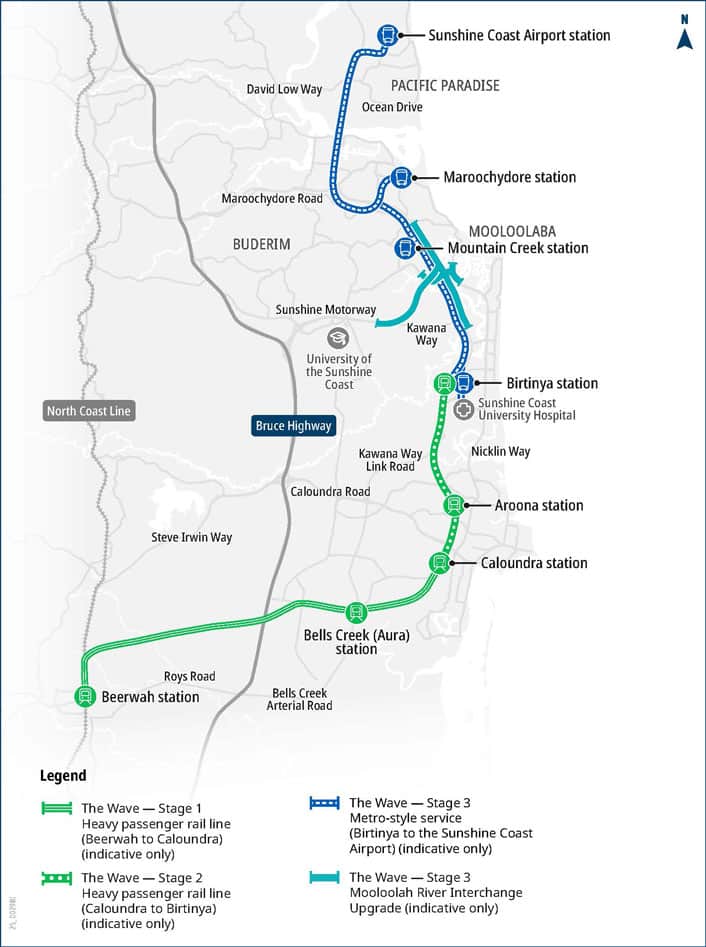
A major catalyst in the transformation of the Sunshine Coast is the direct Sunshine Coast Rail Line. At present, the Sunshine Coast is the largest urban area in Australia without a direct passenger rail connection to its nearest capital city. Job accessibility is moderate with high car dependency at 67% of work commutes. Only 1.3% use public transport to work.
The direct Sunshine Coast Rail Line or The Wave is backed by a $5.5 billion joint commitment by the Australian and Queensland governments. This project will directly connect eastern Sunshine Coast communities to the South East Queensland passenger rail network. It will reduce travel times to Brisbane by up to 45 minutes during peak periods compared to driving. It will connect residents to jobs, schools, health facilities, and tourism destinations. It will provide faster and more reliable connections between the Sunshine Coast, Moreton Bay, and Brisbane regions. The completion of the rail line is also expected to accelerate more than 3,000 affordable and diverse homes around new stations in the next few years.
For rooming house tenants, especially those working in healthcare, retail, and hospitality, reliable public transport is important. The improved rail connectivity increases tenant appeal, occupancy stability, and long-term rental demand near stations and transport hubs.
Economic and Capital Growth Drivers
The Sunshine Coast is one of Southeast Queensland’s fastest growing regions. Investors are already witnessing strong capital growth. Many suburbs have recorded 75% to 95% five-year growth to 2025. The Sunshine Beach has achieved 24% growth in the past year.
This performance is enhanced by large-scale structural investment including:
- The Direct Sunshine Coast Rail Line
- Maroochydore CBD development
- Expansion of public and private healthcare facilities
With the improving transport integration with Moreton Bay and Brisbane and accessibility in the region, the Sunshine Coast will have more labour catchment, stronger rental demand, and long-term growth of property values.
Another key driver is the ongoing expansion of the Sunshine Coast Airport under its Masterplan 2040. The airport is a critical regional asset, supporting tourism, business travel and freight connectivity. By 2040, the airport is projected to support more than 2,000 direct and indirect jobs, contributing significantly to the region’s employment base. Expansion of aviation capacity enhances national and international connectivity, opens new business opportunities, and reinforces the Sunshine Coast’s position as an economic centre.
These multi-billion-dollar commitments designed to reshape connectivity, employment access, and commercial activity across the region. Improved transport integration with Brisbane and Moreton Bay will significantly reduce commuting times and expand the Sunshine Coast’s labour catchment. As accessibility improves, the region becomes increasingly attractive to both businesses and skilled workers, especially with stronger rental demand and long-term property values.
Why Rooming Houses Sunshine Coast Fit the Demographic
According to the ABS 2021 Census data for the Sunshine Coast, 23.5% of households there are single-persons, which represents a substantial portion of the local housing market. With 27% of residents renting and vacancy rate at just 1%, it is clear that there is an urgent need for smaller, more affordable rental dwellings. There is a strong demand for flexible, cost-effective accommodation options such as compliant rooming houses.
With approximately 8,000 new residents arriving annually, the lack of housing diversity in the region increasingly becomes a concern. The Council’s plans specifically highlight the need for smaller accommodations suited to single-income households and individuals at different life stages.
Moreover, the top employment industries in the region are hospitals, aged care residential services, social assistance services, and retail. The Sunshine Coast also gears up to expand its local workforce, with 100,000 new jobs by 2041. Many of these roles fall within the moderate-income brackets where affordability is a key concern.
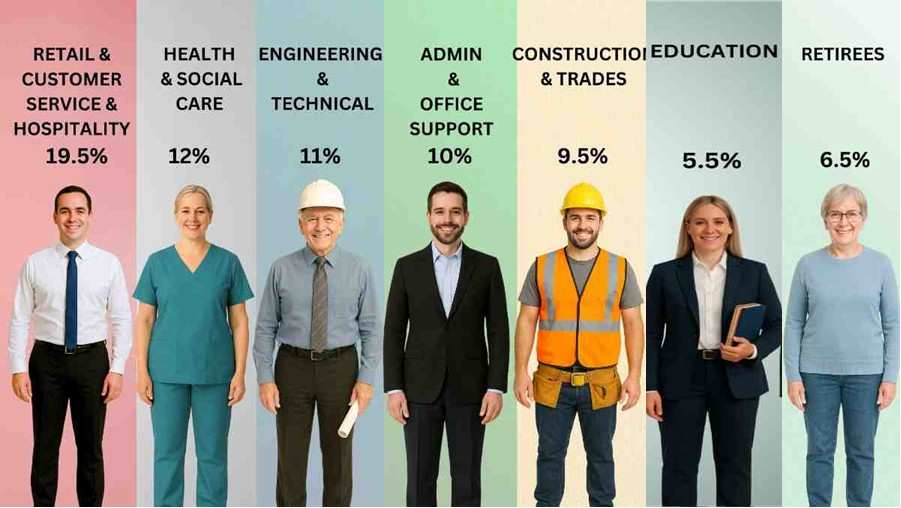
This employment landscape supports stable rental demand, particularly for well-located rooming houses that reduce living costs and commuting time. These characteristics closely align with the typical tenant profile of the High Yield Property Club rooming houses: single working adults, healthcare staff, retail employees, and essential service workers seeking affordable accommodation near employment hubs.
Housing Supply Imbalance and Rental Market Strength
While economic growth continues, the growth of housing supply has not kept pace. The Sunshine Coast is currently operating at a 1.1% residential vacancy rate, which is well below balanced market conditions. At the same time, rents and dwelling values have continued to rise, making affordability pressures on single-income households and essential workers.
The Sunshine Coast Council express the need for:
- greater housing diversity
- increased supply of smaller dwellings
- housing that are close or well-connected to employment centres and services
- reduced travel costs through better location efficiency
In practical terms, this creates a clear gap at the lower end of the rental market, particularly for smaller, well-located rental accommodation.
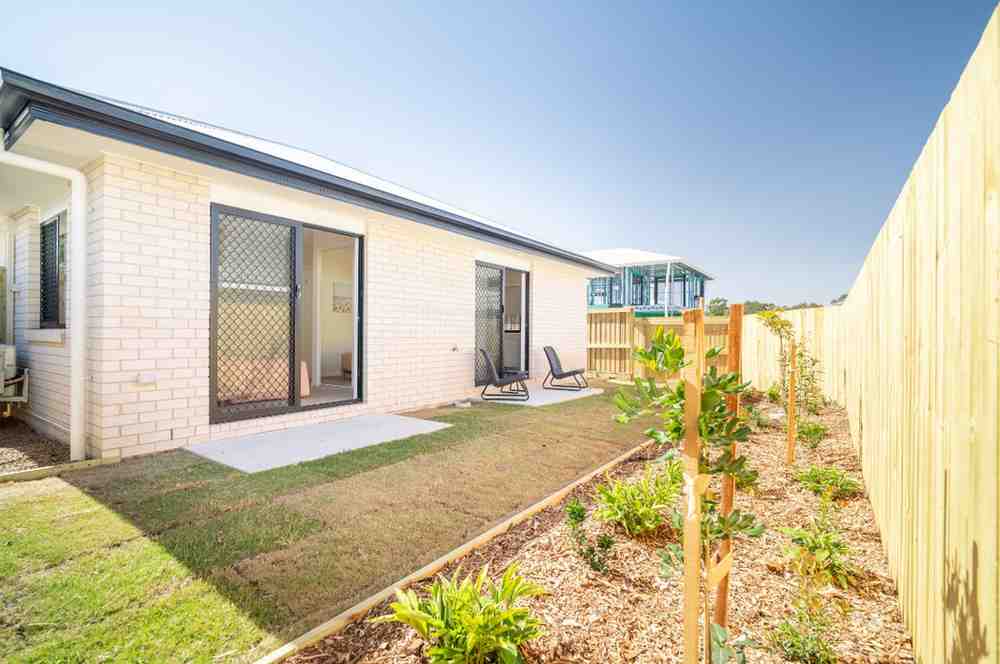
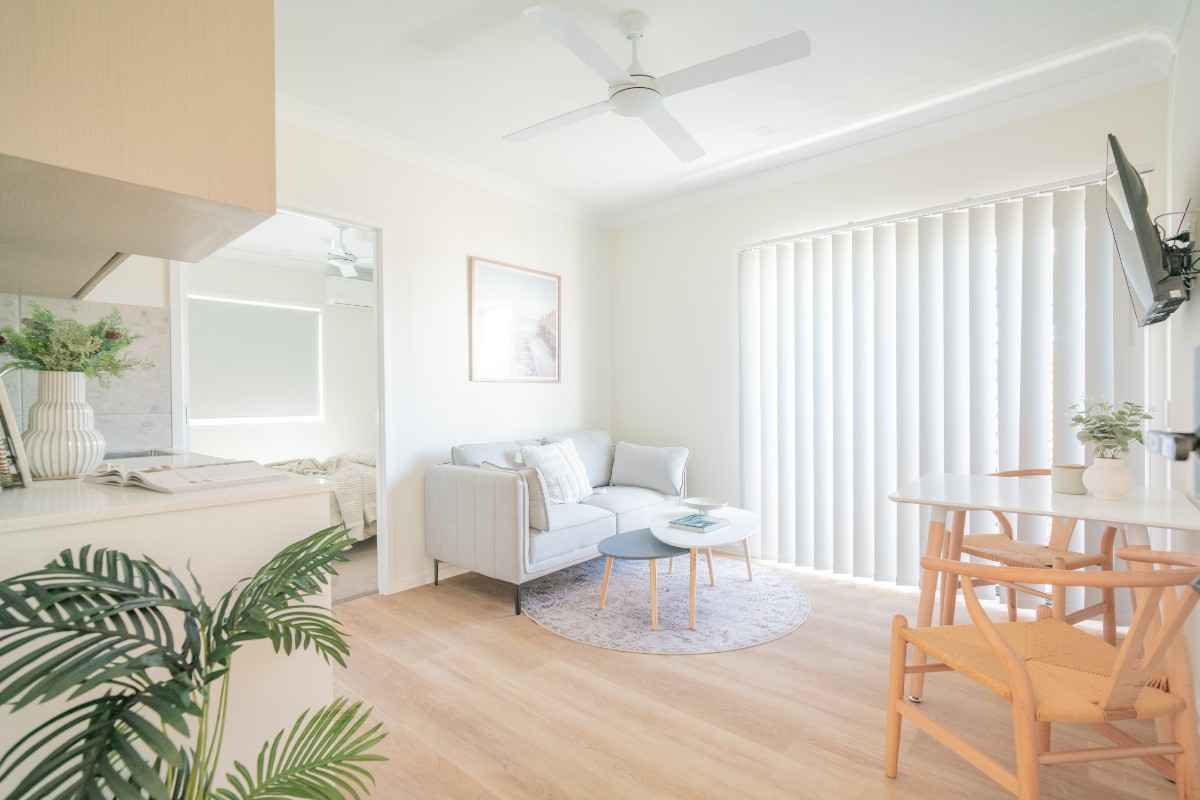
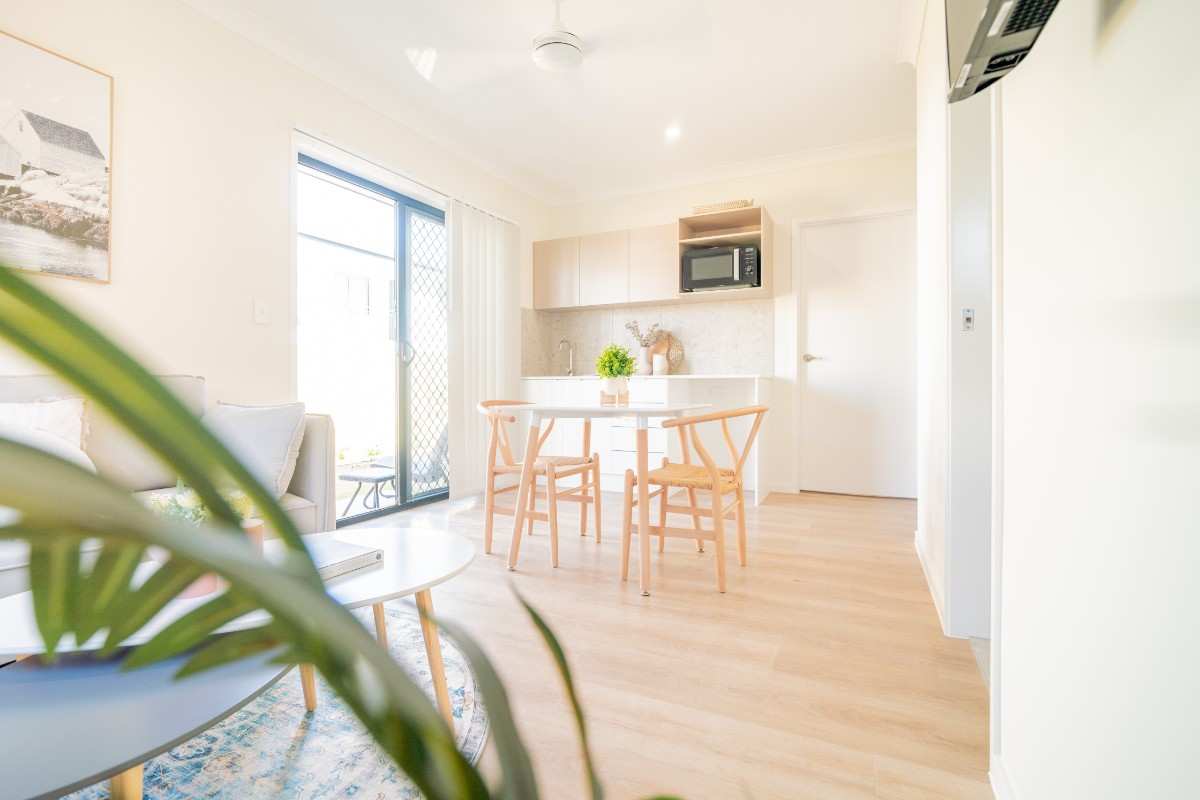
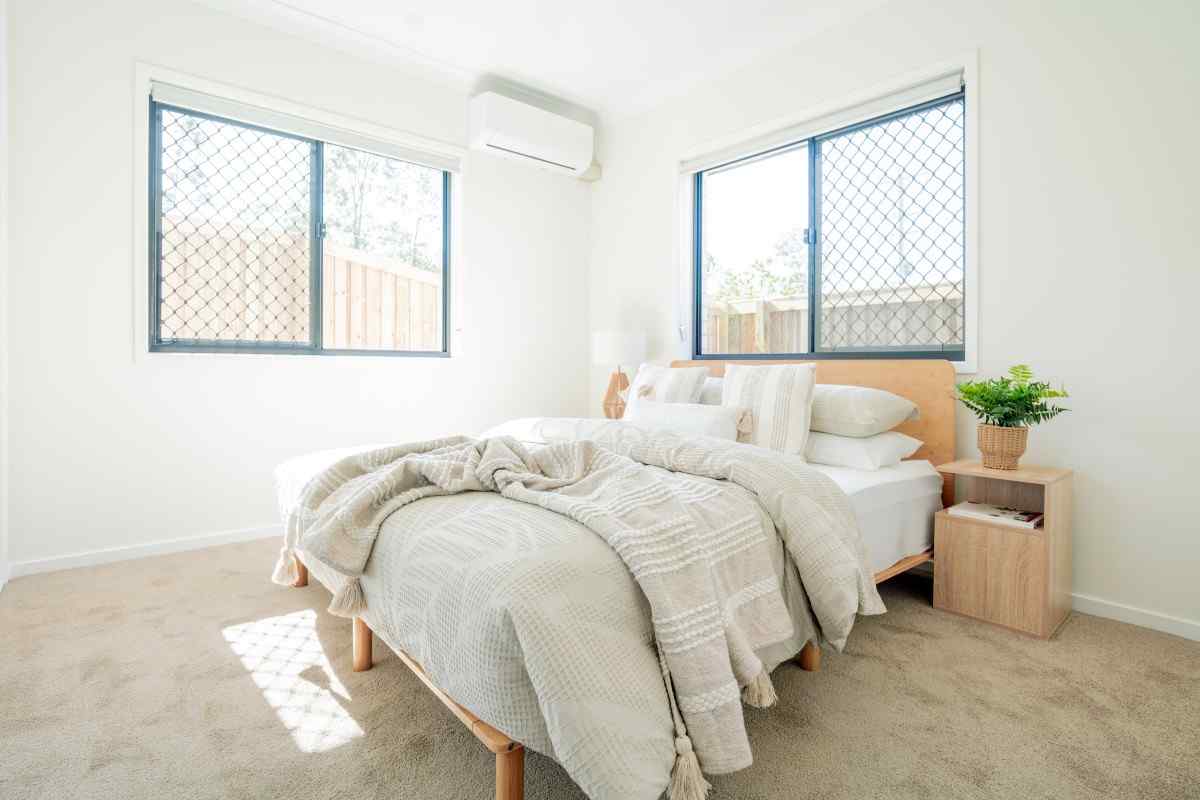
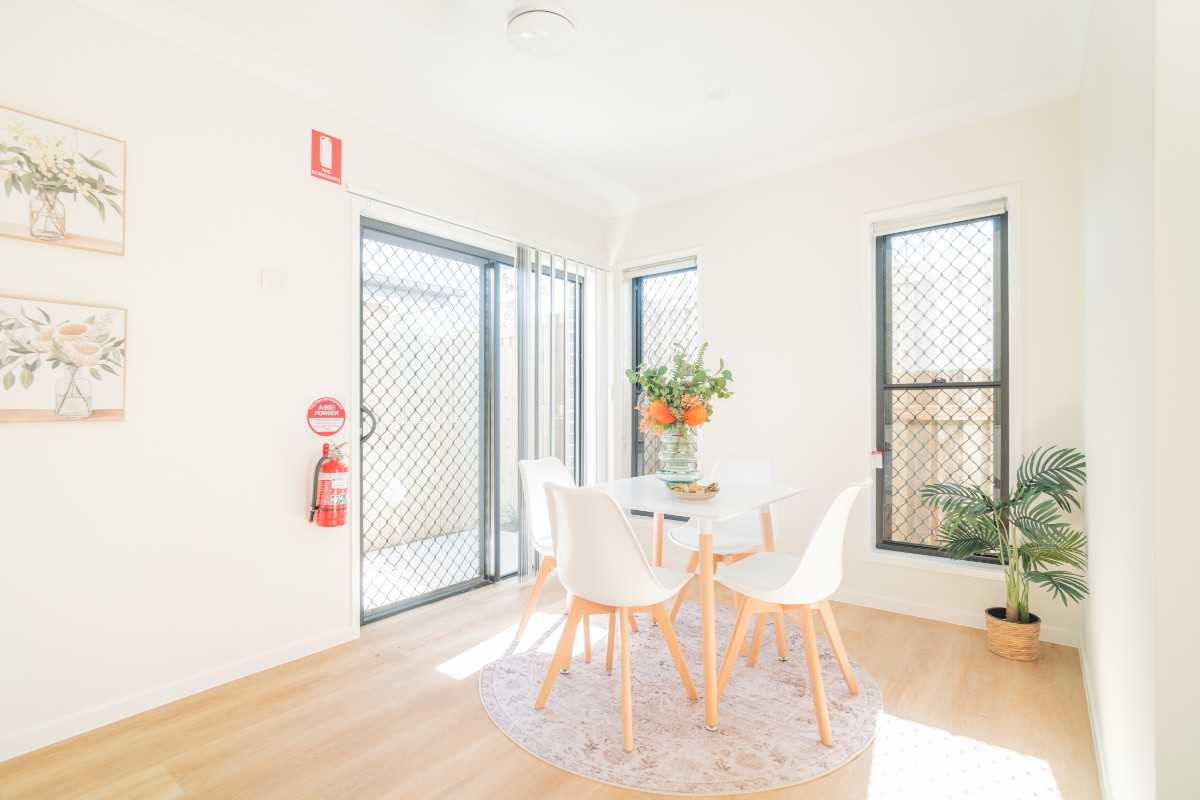
HYPC rooming houses respond directly to this imbalance by providing:
- affordable rent that includes bills for utilities
- locations near transport corridors and employment hubs
- accessibility to shopping centres, hospitals, and other services
What it means to Rooming Houses Sunshine Coast Investors
For rooming houses Sunshine Coast investors, the region presents a rare convergence of population growth, infrastructure expansion, and clear housing undersupply. With vacancy rates at just 1.1%, 100,000 new jobs by 2041, and 8,000 new residents arriving annually, the demand for affordable, well-located accommodation is structurally embedded in the market. Major projects such as the Direct Sunshine Coast Rail Line and Sunshine Coast Airport expansion boost long-term connectivity and employment growth. When combined with council support for greater housing diversity, these fundamentals position compliant rooming houses as a resilient, high-yield strategy aligned with both economic momentum and genuine community need.