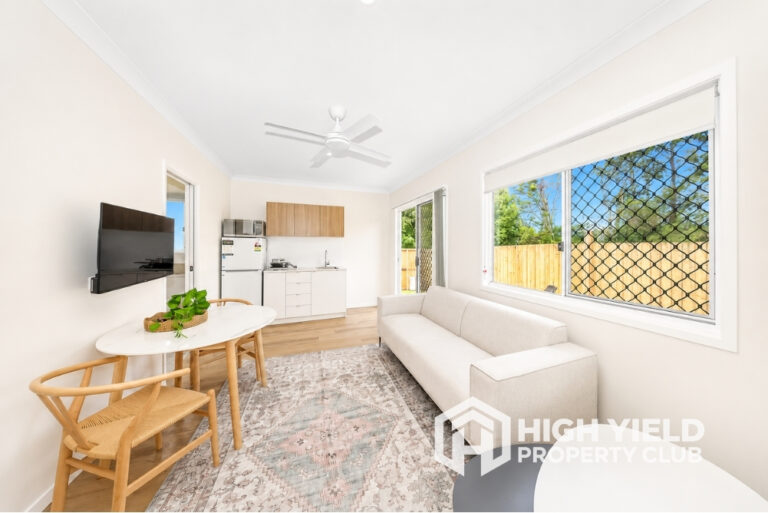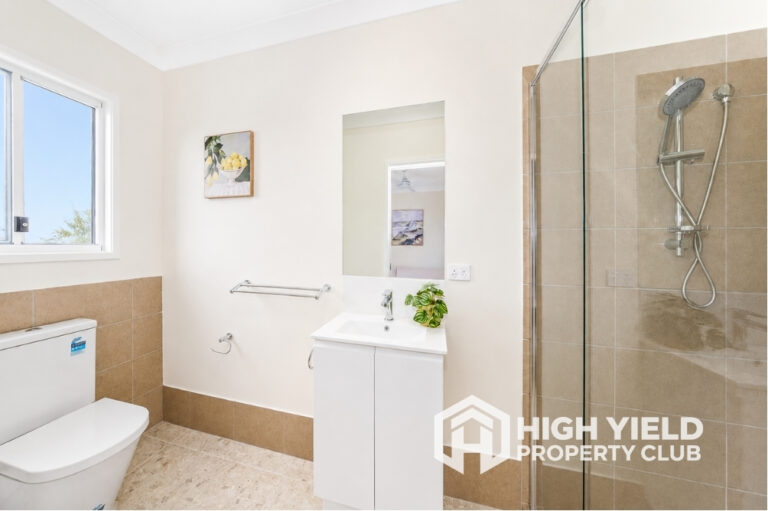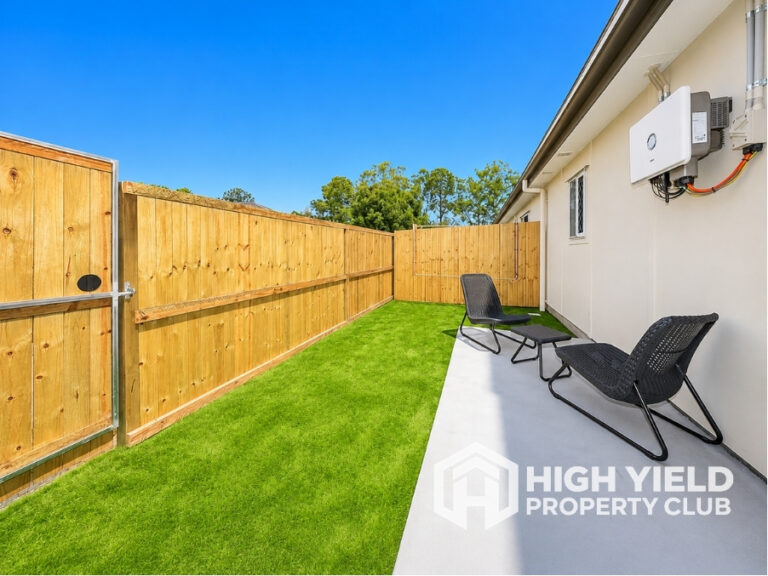
Brisbane, Australia, is known for its youthful charm and sunny skies, but it also boasts one of the most competitive housing markets in the world. Government forecasts predict a stunning 16% population growth in the Queensland capital city as the area prepares to host the 2032 Olympic games. Paired with a 6% growth in housing costs, it’s easy to see why Brisbane is a property investor’s dream.
To solve the housing crisis, multi-residential rental properties like rooming accommodation and micro-apartments are gaining popularity. This niche market offers investors a lucrative opportunity while providing residents with affordable accommodations. As a result, Rooming House property management companies are popping up around the city. While Rooming Houses can be a wise investment, understanding the complexities of managing these properties is key for prospective investors. We’ll discuss the topic more closely below.
What is a Rooming House in Brisbane?
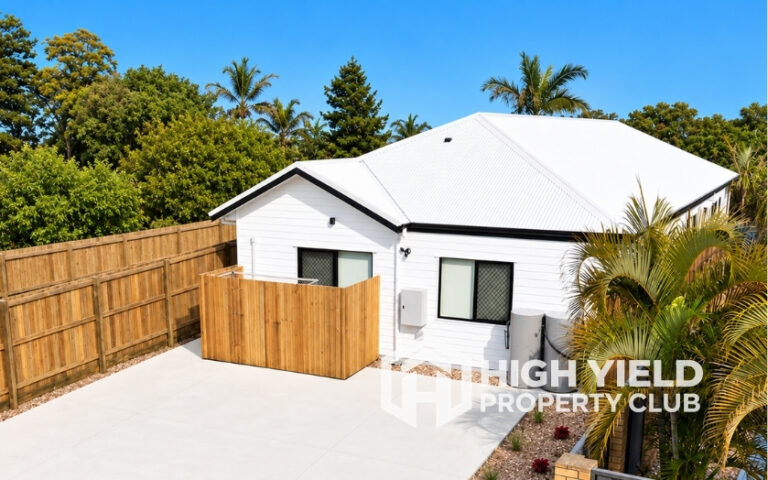
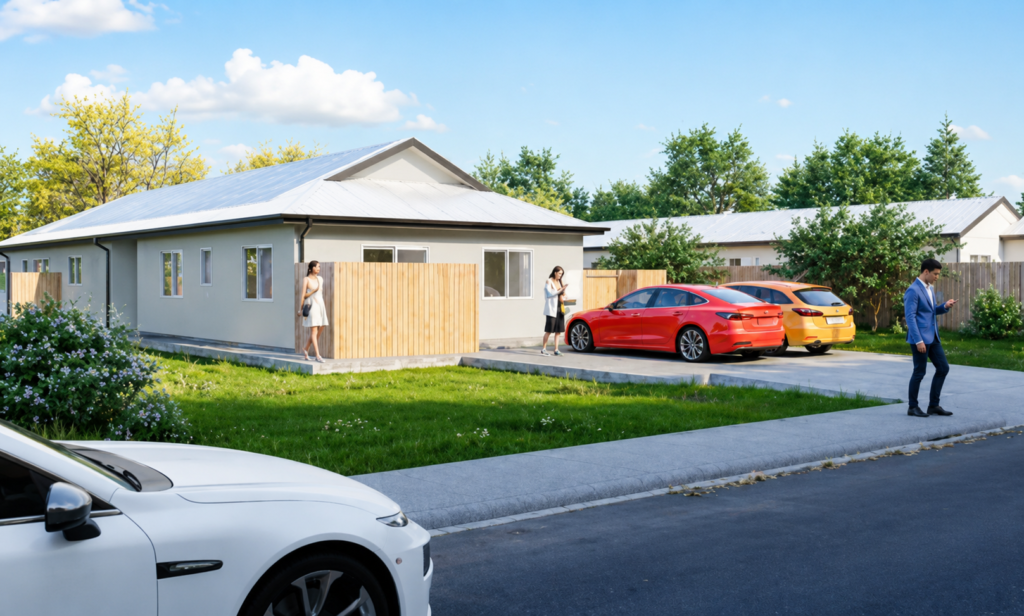
Before discussing property management, it’s important to understand Rooming Houses. A Rooming House is a five-bedroom home built as a Class 1B construction. Under Brisbane City Council regulations, a rental property can only house five unrelated parties to comply with fire safety regulations. That means each Rooming House can have five individuals, each renting a room under a separate lease.
Due to their potential for high yields, investors are increasingly drawn to the Brisbane Rooming House market. With the city’s growing housing undersupply, Rooming Houses are an attractive option for eager investors. At The High Yield Property Club, we aim for an high yield return per annum on our Rooming Houses. With such a high rental return, it’s clear why we’re the number one choice for those seeking stable and reliable passive income.
While investing in a Rooming House is the first step toward securing your financial future, you can’t stop there. Choosing the right property manager can make or break your investment. While it may be tempting to turn to a standard property management company, this could be a costly mistake. To ensure success, you need a proven Rooming House Property Manager to show you the way.

What is the Difference Between A Rooming House Property Manager and A Standard Property Manager?
While similar, Rooming House property managers are not the same as their standard counterparts. To start, Rooming House managers specialise in handling the complexities associated with these specific properties. Unlike traditional apartments, Rooming Houses contain both individual and shared spaces, each with its own upkeep requirements. Additionally, they are often in urban and suburban areas, demanding a comprehensive understanding of local ordinances, permits, and laws.
The tenants are also more specialised in Rooming Houses. Due to Brisbane law, each room houses a single renter, who generally falls into a specific demographic. Rooming House tenants are usually younger, hard-working individuals seeking an affordable housing solution. They make a decent income and seek a comfortable and safe rental opportunity. Rooming House Property Managers have an in-depth understanding of these specialised properties. They must also be trained to handle any adverse situations that may arise.
What Makes the Best Rooming House Property Manager?
Now that you see the difference between standard and Rooming House property managers, it’s time to discuss what to look for when choosing a Property Management company. At The High Yield Property Club, we work with a panel of property managers specialising in Rooming House property management. Unfortunately, very few property managers in Brisbane are truly Rooming House specialists.
Beware of newly opened companies looking to maximise on this lucrative opportunity. Cheaper doesn’t always mean better, especially when dealing with $1 million+ assets. When managed correctly, Rooming Houses will provide the highest rental return possible, with cost-efficient maintenance. How can you tell a trustworthy, experienced Rooming House property manager from one trying to make a fast dollar? We’ll elaborate below.
They Understand the Social Impact of Managing Your Property
Rooming Houses are more than investment properties; they’re a legacy asset impacting future generations. A professional Rooming House property manager shouldn’t treat your Rooming House like it’s just a piece of property. Instead, they tend to it, meticulously managing the day-to-day operations and maintenance.
Using passive and active strategies, they should treat your property as an asset. Their expertise should ensure you receive the highest possible return on investment, generating years of stable, passive income in the long term.
They Understand Brisbane’s Tenant Demographic
Brisbane’s rental crisis has created unprecedented housing insecurity. Sadly, many property managers exacerbate the situation by capitalizing on the shortage. They lack empathy for the tenant in search of profit. Rooming Houses, when built with the ideal tenant demographic in mind, single-person households, provide an affordable solution.
The tenants renting Rooming Houses are valuable members of the community. They want to live harmoniously with those around them in convenient, affordable, and private spaces. Knowledgeable Rooming House property managers understand Brisbane’s specialized tenant demographic. They treat them with the care and respect they deserve.
They Know How to Create a Harmonious Space In Accordance with the Law
Brisbane has strict laws regarding residential tenants and lessors. Queensland Rooming Houses fall under The Residential Tenancies and Rooming Accommodation Act 2008. This 448-page document outlines the responsibilities and rights of the tenants, property managers, and landlords of residential rental properties throughout Queensland.
Ensuring all Rooming Houses adhere to the rules outlined in this extensive legislation requires a comprehensive understanding from the Rooming House property manager. They must clearly communicate the rules to the tenant during the onboarding process, ensuring complete comprehension. Additionally, they must maintain constant communication throughout their tenancy, enforcing and updating rules as time progresses.
They Must Understand Their Role In Rooming House Registration
As an investor, you are legally required to register your Rooming House. During the registration process, you will be required to include your associates, which includes your property manager. A qualified Rooming House property manager has the knowledge and expertise to understand this process.
Your rooming house property manager should be able to assist you with all criminal and police checks. Complying with regulatory requirements is vital to your long-term success, and your Rooming House property manager should be there to help.
They Understand the Value of an Attractive Living Space
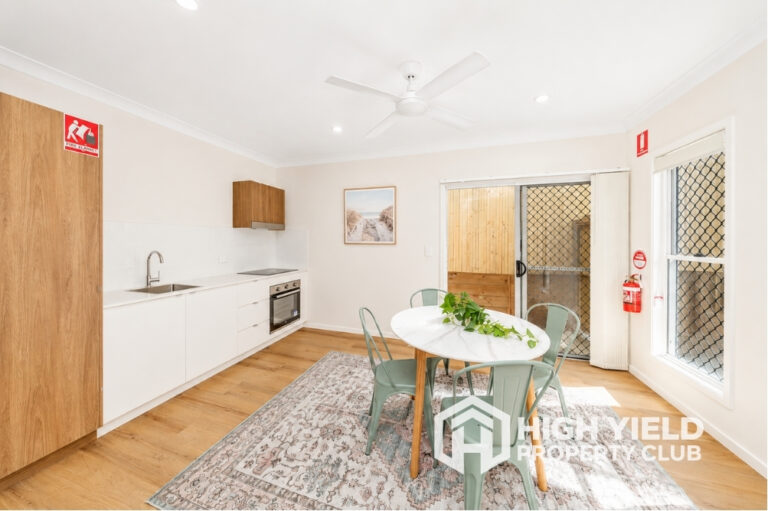
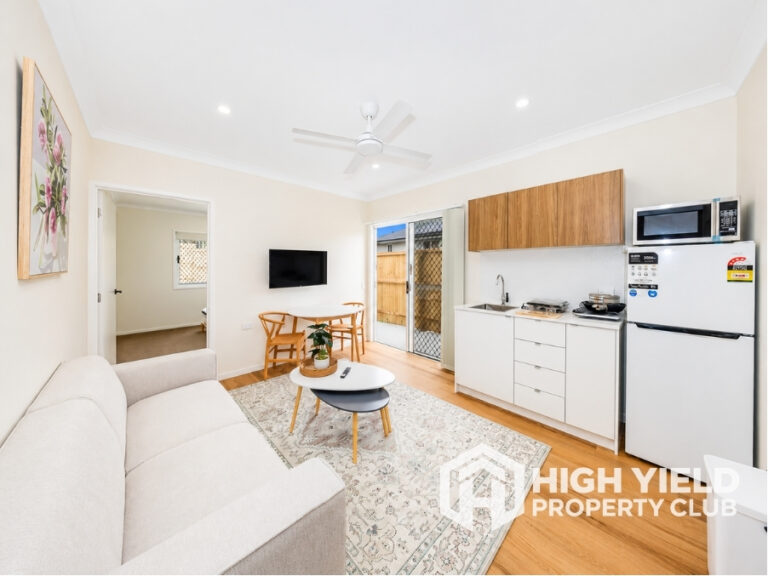
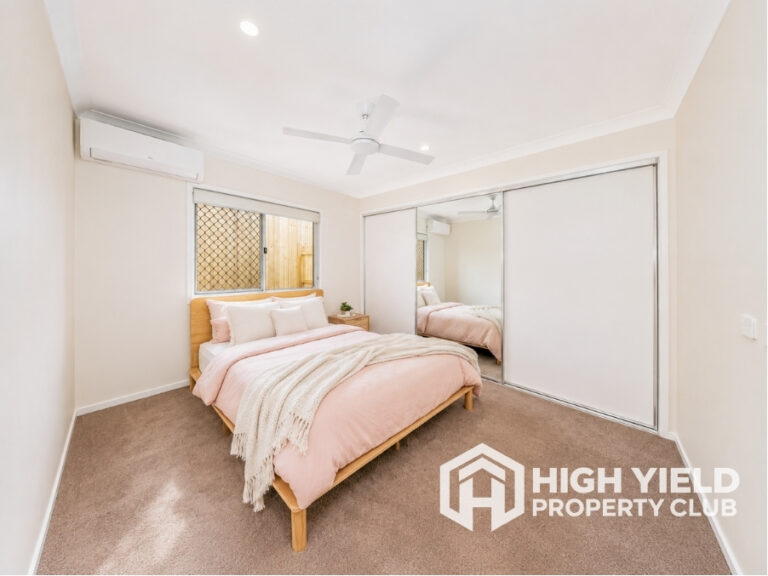
A successful Rooming House must be more than four walls and a roof. It should meet the tenant’s emotional needs as well. Experienced Rooming House property managers understand the value of creating attractive, livable spaces by adding high-quality furnishings. Attractive, good-quality furniture with additional styling elements can dramatically increase a property’s visual appeal, increasing your rental return.
A top-quality Rooming House property manager will understand Rooming House furniture requirements simplifying this process. They should be able to help you include everything needed to create a stunning and welcoming Rooming House. They understand the importance of never using low-quality furniture. Instead, valuing and assisting you with durable, well-crafted, and stylish furnishings will help you increase your return on investment.
A Good Rooming House Property Manager Will Understand How To Get Your Asset Consistently Producing Income
Acquiring a Rooming House takes time, especially if you’re having it built. A quality Rooming House property manager understands you want to start producing income as soon as possible. They will work with you to make that happen. A trusted and proven property management company should begin working with you as early as the framing stage of the construction process.
Working with The High Yield Property Club, we work with the best rooming house property managers to ensure that they begin managing your property as soon as possible. Don’t waste time navigating the complexities of managing a Rooming House for yourself; turn to a proven rooming house property manager to show you the way.

FAQ
An experienced Rooming House property manager will understand their part to play in the registration process.
They know how to maximise your return on investment.
Additionally, a professional rooming house property manager will treat your tenants with the respect they deserve. They will also assist in the cost-efficient maintenance and cleaning of your property. Only use a company with long-established relationships with government providers and tenants, possessing the expertise to maximise your return on investment.
Conclusion
Brisbane Rooming Houses presents a unique investment opportunity in a city where affordable housing solutions are in demand. The potential for high yields, a steady income, and a positive social impact makes it an attractive option for investors. While lucrative, navigating this niche market with a qualified rooming house property management company is essential.
A specialised Rooming House property manager has the experience to understand all legal requirements while possessing advanced property and tenant management skills. With the right Rooming House property management company, investors can help meet Brisbane’s housing needs while achieving their financial goals.
Contact us to learn more about Rooming House Property management providers.
Choosing the Right Rooming House Property Manager
Brisbane is known for its sunny skies and laid-back charm, but underneath that lifestyle sits one of the tightest rental markets in the country. Queensland’s statewide rental vacancy rate stood at just 0.9% in the March 2026 quarter, well below the 2.6%–3.5% range considered healthy, and of the state’s fifty tracked regions, thirty-three recorded vacancy below 1%. Brisbane’s median weekly rent has climbed from $380 in 2020 to $734 in 2026, a 93% increase in six years, while incomes have risen only a fraction of that. Layer on South East Queensland’s population growth, the fastest of any region in Australia at roughly 2.2% a year, adding around 98,000 new residents in the year to September 2025 alone, plus a $119 billion-plus state infrastructure pipeline tied in part to the lead-up to the 2032 Olympic Games, and it’s easy to see why Brisbane remains a property investor’s focus.
Against that backdrop, multi-tenant rental properties like rooming accommodation are gaining serious traction. This niche asset class gives investors a way to earn meaningfully higher rental income from a single, residentially-zoned property, while giving residents a private, affordable place to live in a market that has priced many of them out of a full apartment. As demand has grown, so has the number of companies offering to manage these properties and understanding what separates a genuine specialist from a generalist chasing a trend is now essential for any investor considering this space.
What is a Rooming House Brisbane?

Before getting into property management, it’s worth being precise about what a rooming house actually is. Under Queensland’s Residential Tenancies and Rooming Accommodation Act 2008, a rooming house is a Class 1B building under the National Construction Code, typically capped at five bedrooms and five bathrooms under the state’s streamlined small-scale rooming accommodation provisions. Each resident signs their own individual tenancy agreement (a Form R18), rents their room as their main residence, and shares common facilities like the kitchen, laundry and living areas with the rest of the household.
That structure is what drives the income potential. Where a conventional house or unit produces a single rent from a single tenant, a compliant five-bedroom rooming house can produce up to five separate rents from five separate leases. Across a sample of completed Brisbane and Ipswich rooming house projects, gross yields have ranged from roughly 8.1% to 9.6%, compared with a median of around 3.6% for houses and 4.8% for units across Brisbane’s traditional residential market.
None of this makes rooming houses a guaranteed or risk-free investment, yields vary by site, design and management quality, and construction, regulatory and finance risk all need to be managed properly. But the yield gap over traditional residential property is real, well-documented, and one of the main reasons this asset class has moved from niche to mainstream conversation among Brisbane investors. Getting the return this model is capable of, though, depends heavily on who is managing the property day to day, which is where a standard property manager tends to fall short.

Compliant rooming houses in Brisbane and wider Queensland have 5 income streams.
Rooming House vs Standard Property Manager
A rooming house property manager isn’t simply a residential property manager who also handles rooming houses on the side. The complexity is structurally different.
The regulatory landscape is more layered. A rooming house typically needs to clear four separate consent streams rather than one: planning approval (or an accepted development pathway), building certification as Class 1B, plumbing and drainage approval for the higher hydraulic load of five ensuites plus a shared kitchen and laundry, and an operating registration under the Residential Services (Accreditation) Act 2002, without which the property cannot lawfully operate at all. On top of this, Queensland’s accepted-development pathway for small-scale rooming accommodation currently carries a build-and-occupy deadline of 2 December 2026, after which any project not yet commenced falls back to a slower, less certain Material Change of Use application. A property manager who doesn’t track this kind of regulatory timeline can leave an investor exposed.
Council rules vary significantly. Brisbane City Council has a draft amendment on the table that, if adopted, would lift the minimum lot size for rooming houses from 300m² to 400m² and add tens of thousands of dollars in additional design and landscaping requirements. Ipswich City Council, by contrast, has taken the opposite approach, actively building rooming house provisions into its adopted City Plan as part of a target of 100,000 new homes over the next 20 years. A specialist manager understands these council-by-council differences; a generalist often doesn’t.
The tenant base is more specific. Rooming house residents are overwhelmingly single, employed adults rather than families or share-house groups. Recent tenant data drawn from a live sample of over 200 Brisbane and Ipswich rooming house residents shows that roughly 63% are aged 20–39, with an average weekly income of around $1,515, and that 12-month leases dominate, a stable, settled tenant base rather than a transient one. The largest occupational groups come from engineering, trades and logistics (around 21%), retail and hospitality (around 21%), and health and social care (around 15%), nurses, tradespeople, teachers and government staff, among others. Managing this demographic well takes a genuinely different skill set to managing a single-family tenancy.

What Makes a Good Rooming House Property Manager?
Not every company advertising rooming house management has the track record to back it up. Given the value of these assets, typically $1 million or more, cheaper isn’t automatically better. Here’s what separates an experienced, trustworthy manager from one chasing a fast dollar.
They understand the social impact of the property they’re managing. A rooming house isn’t just an income-producing asset; on a like-for-like basis, roughly 100 rooming house properties can accommodate up to 500 people, as many as 400 more rental positions than 100 conventional homes built on equivalent land. In a market where vacancy sits near 1%, that additional supply matters. A good manager treats the property as both a financial asset and a genuine housing solution, not just a line item to collect rent from.
They understand Brisbane’s rooming house tenant demographic in detail. The best managers know that the typical rooming house resident is a working single adult, often in healthcare, trades, hospitality or another essential-services role, looking for a private, secure, well-located room at a materially lower cost than a studio apartment. They screen and manage tenants with that profile in mind, and treat residents with the professionalism and respect any long-term tenant deserves, rather than simply capitalising on a tight market.
They know how to create a compliant, harmonious household. Rooming houses sit under the Residential Tenancies and Rooming Accommodation Act 2008, a substantial piece of legislation governing the rights and responsibilities of tenants, managers and owners. A qualified manager communicates house rules clearly during onboarding, maintains consistent communication through the tenancy, and keeps the property inside the four consent streams outlined above, including staying ahead of regulatory deadlines like the 2 December 2026 cut-off for the accepted-development pathway.
They understand their role in registration and compliance. Investors are legally required to register a rooming house, including disclosing associates such as the property manager, and to obtain accreditation under the Residential Services (Accreditation) Act 2002 before the property can operate. A capable manager understands this process end to end and can assist with the associated criminal history and police checks this isn’t optional paperwork, it’s a legal precondition to earning rent at all.
They understand the value of an attractive, well-furnished living space. A rooming house needs to be more than four walls and a shared kitchen. The strongest operators in this space design each room closer to a private micro-apartment than a bedroom, durable, well-styled furnishings, a private lockable room, and shared spaces that feel genuinely liveable. Done well, a private room can be offered at roughly 40% below a comparable studio apartment while still delivering a strong return, because the value proposition to tenants is real rather than a discount that erodes under pressure. Low-quality furniture and finishes undermine both tenant retention and rental appeal, a good manager won’t cut corners here.
They know how to get the asset producing income as quickly as possible. Time is money in this asset class. Every month saved during design, approval and construction is estimated to be worth somewhere in the order of $9,000–$14,000 to an investor’s bottom line, through reduced holding costs and earlier rent. The best rooming house managers engage as early as the framing stage of construction, lining up tenants, marketing and compliance ahead of practical completion, rather than waiting until the keys are handed over to start the clock.
How do I know if I have an excellent rooming house property manager?
Look for a track record specifically in rooming houses, not general residential property, ask how many rooming house properties they currently manage and for how long. A strong manager will be able to speak fluently about the four consent streams (planning, building, plumbing and operating registration), the council-specific rules that apply to your property’s location, and current regulatory deadlines like the accepted-development sunset date. They should also be able to point to low vacancy across their current portfolio, a clear tenant screening and onboarding process, and a furnishing standard that keeps rooms competitive without cutting corners. If a manager can’t speak confidently to these specifics, that’s a sign they may be newer to the space than they’re letting on.
Brisbane and the wider South East Queensland region present a genuinely unique investment opportunity: a fast-growing population, a rental vacancy rate near record lows, and a rental affordability crisis that shows no sign of easing in the short term. Rooming houses respond directly to that pressure, offering gross yields that have run well above traditional residential property in recent case studies, while adding genuine, purpose-built housing supply to a market that badly needs it.
But the difference between a rooming house that performs and one that underdelivers usually comes down to management. A specialist rooming house property manager brings the regulatory knowledge, tenant expertise and operational discipline this asset class demands, something a standard residential property manager typically isn’t set up to provide. If you’re weighing up this strategy, it’s worth treating the choice of property manager with the same scrutiny you’d apply to the property itself.
DISCLAIMER: This article is general information only and does not constitute financial, legal or tax advice. Figures are current as at mid-2026 and drawn from sources including the ABS, REIQ, Cotality and Queensland Government planning data; regulatory settings referenced (including council planning positions and the 2 December 2026 accepted-development deadline) are subject to change. Prospective investors should confirm current requirements with the relevant council and seek independent professional advice before making any investment decision.
Contact us to learn more about Rooming House property management providers.