Micro Apartments Brisbane – What Are They And How Do They Work?
Each room in a rooming house is also referred to as a “microapartment”.
Rooming Houses are the ideal solution to housing the growing demographic of single people seeking affordable housing in Brisbane. Adults aged twenty to thirty-four make up the largest percentage of residents in the area, with 54% being unmarried. Rooming Houses offer a unique housing opportunity, as each one contains a common area and up to five micro apartments. By focusing on providing targeted rooming accommodations for Brisbane’s growing single population, these micro apartments serve the community while providing investors financial security.
What are Micro Apartments?
- A kitchenette
- Lounge or living area
- Bedroom
- Bathroom
- Storage compartments
Watch Our Free 90 Minute Rooming House Masterclass
Where Can You Build Micro Apartments?
Are Tenants Attracted to Micro Apartments?
What Features Do Micro Apartments Offer?
What is the Difference Between a Rooming House and a Boarding House?
Are Micro Apartments Profitable?
One of the main reasons micro apartments are an attractive opportunity for investors is their high rental yield possibilities. Each Rooming House contains five micro apartments, which rent for between $350 and $400 a week. That means that one micro apartment generates at least $1,400 monthly. Multiply that number by five, and you can earn upwards of $7,000 per month or $84,000+ per year of passive income! The more Rooming Houses you own, the greater your wealth security becomes, providing a generational legacy you can be proud of. See how investing in a Rooming House can help you achieve financial freedom.
Where Can You Build A Rooming House in Brisbane?
Kevin Doodney, the founder of The High Yield Property Club, has over 40 years of experience in real estate. Using his expertise, Kevin has generated over $2 billion in real estate revenue with over 20,000 personal transactions. For over 12 years, Kevin has worked with Brisbane investors, helping them build more than 1,000 Rooming Houses, yielding an 8% return or better. To meet the needs of eager investors looking to maximise on the Brisbane housing crisis, increase their portfolios, and generate passive income, Kevin developed the highly popular Rooming House Masterclass. This FREE 45-minute class provides all the information you need to begin investing in this lucrative market.
In his class, Kevin outlines how to begin earning an high yield return on your first Rooming House, providing an impressive $90,000+ return per annum. Not only are Rooming Houses an excellent investment opportunity, but they offer an effective way to solve Brisbane’s growing housing crisis. Not only can you feel good knowing you are creating a legacy for future generations, but you are also providing a common-sense housing solution for Brisbane’s fastest-growing demographic.
When you partner with The High Yield Property Club, you receive the expert guidance you need to begin living in financial freedom. Take advantage of Kevin’s extensive connections with Brisbane builders, his comprehensive knowledge of licensing and permitting, and his lengthy relationships with the region’s most trusted property managers. With The High Yield Property Club and The Rooming House Masterclass, your financial future is bright!
Frequently Asked Questions?
Yes, new investors can generate an high yield rental yield through Rooming Houses with the help of The High Yield Property Club.
Rooming Houses are quickly becoming the most popular rooming accommodation thanks to their affordability, beauty, and functionality. Thanks to Brisbane’s growing single-resident demographic, savvy investors are turning to Rooming Houses as their key to financial freedom.
Micro Apartments Brisbane
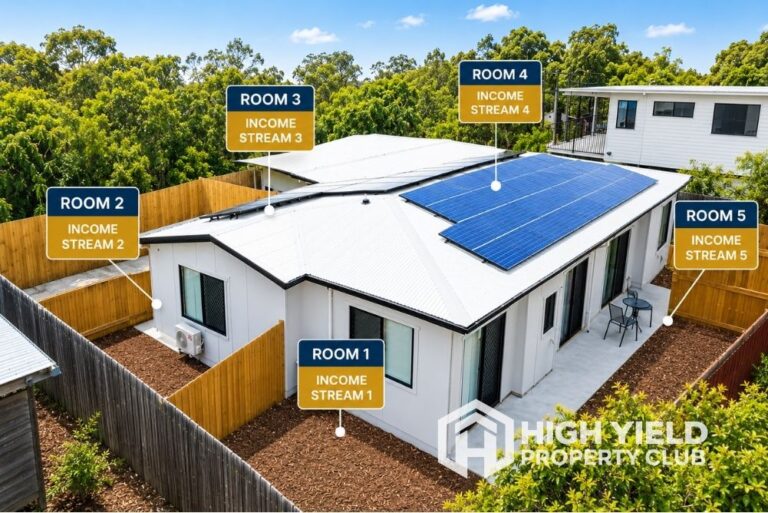
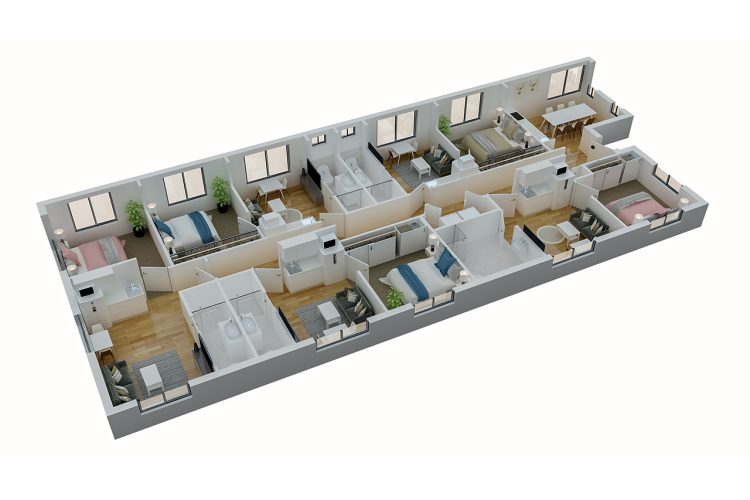
Micro apartments Brisbane are self-contained dwellings within a larger structured called rooming house. The High Yield Property Club rooming houses are Class 1B dwellings with five micro-apartments, typically 30 square metre each.
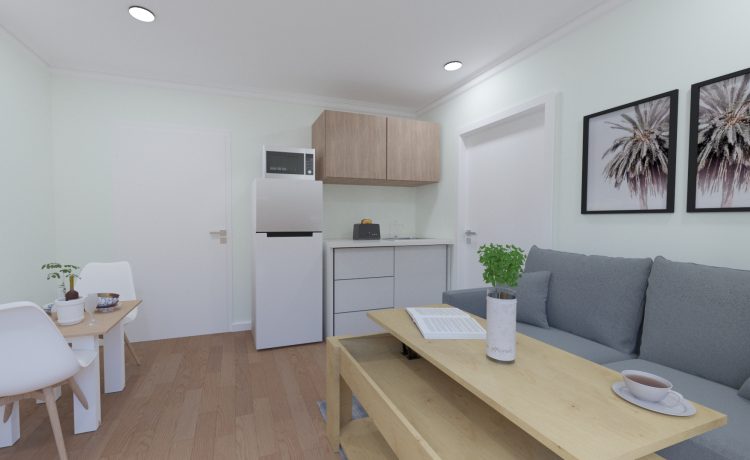
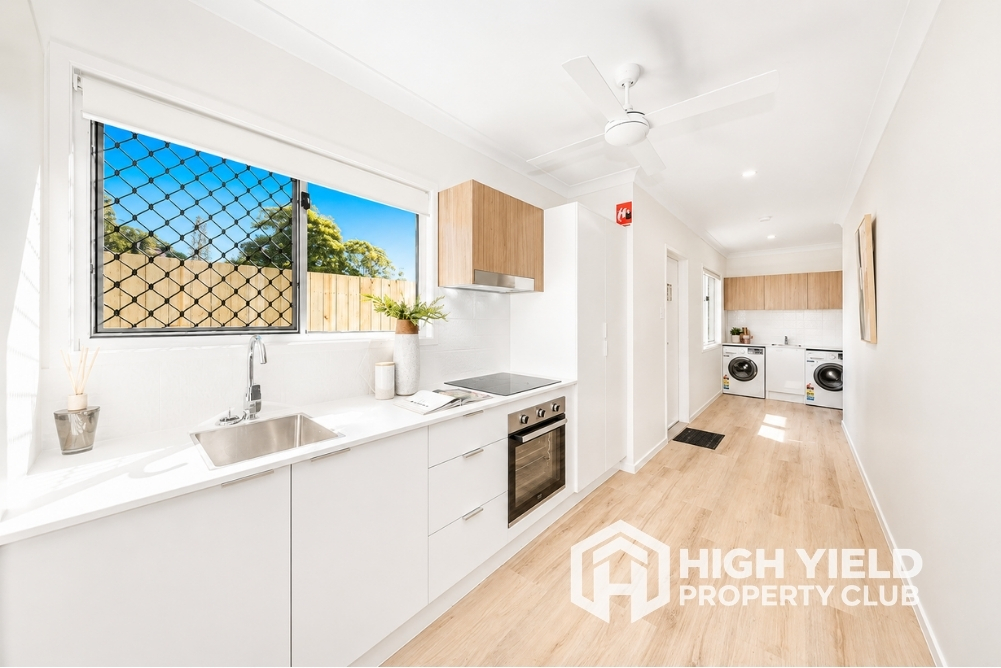
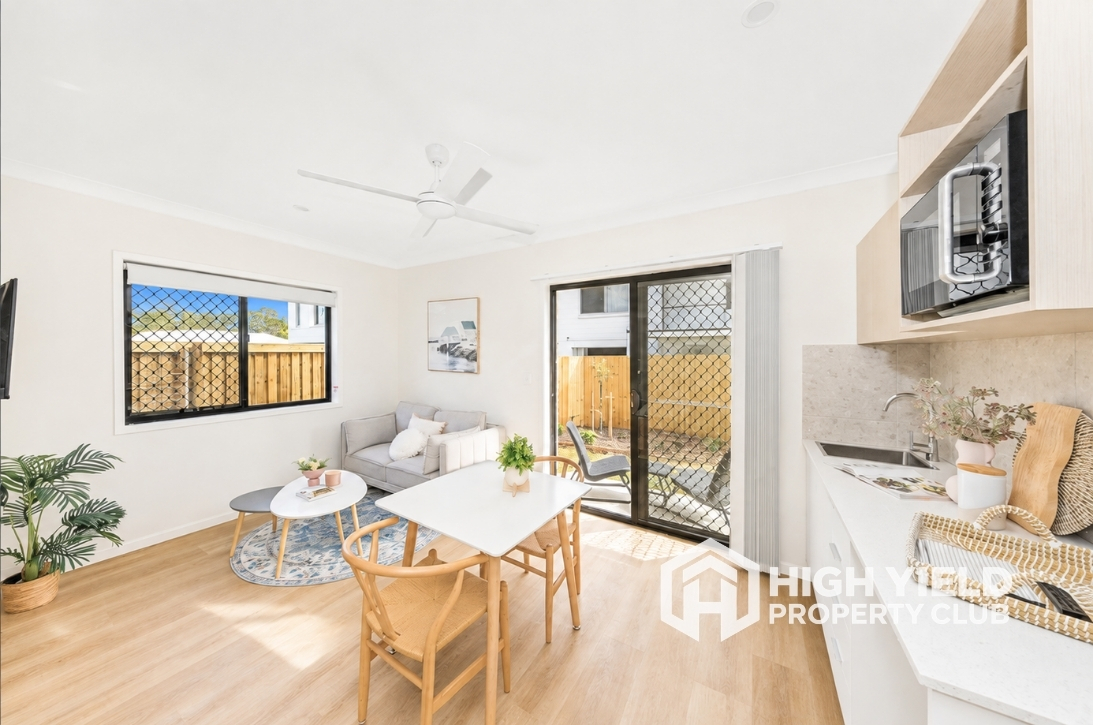
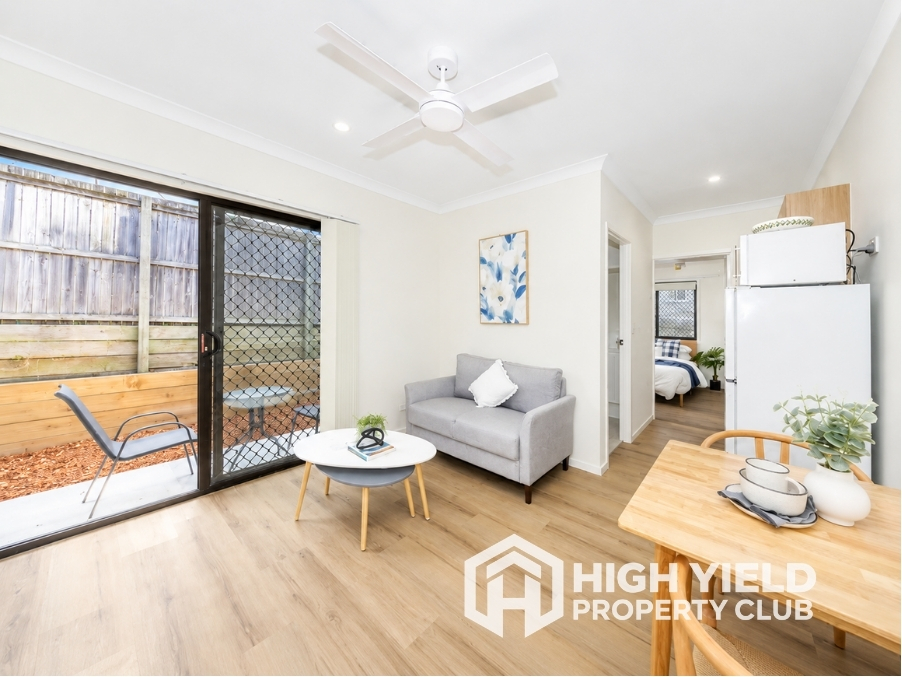
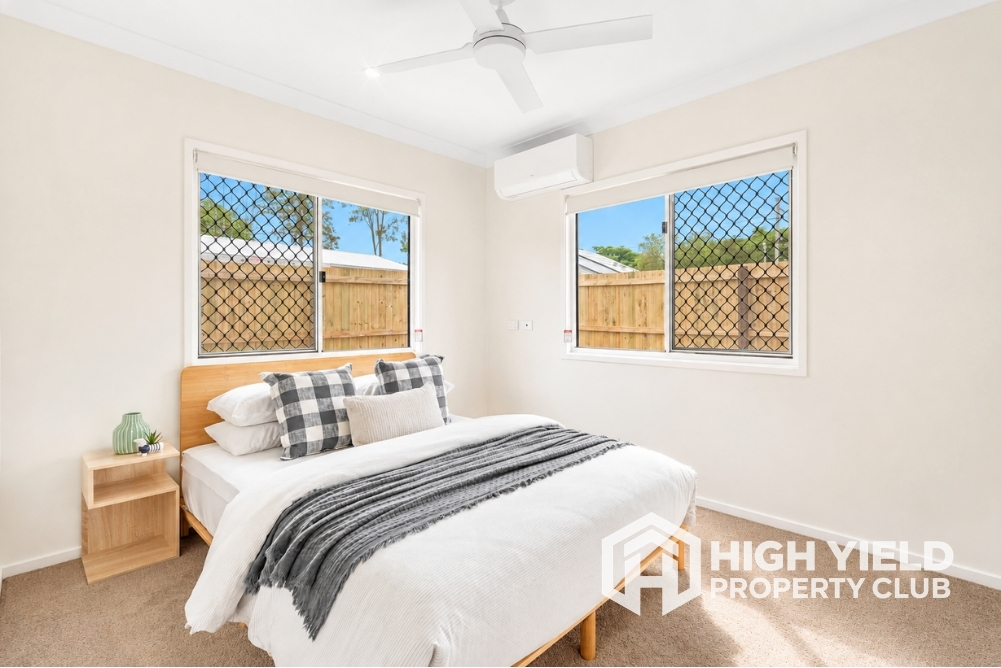
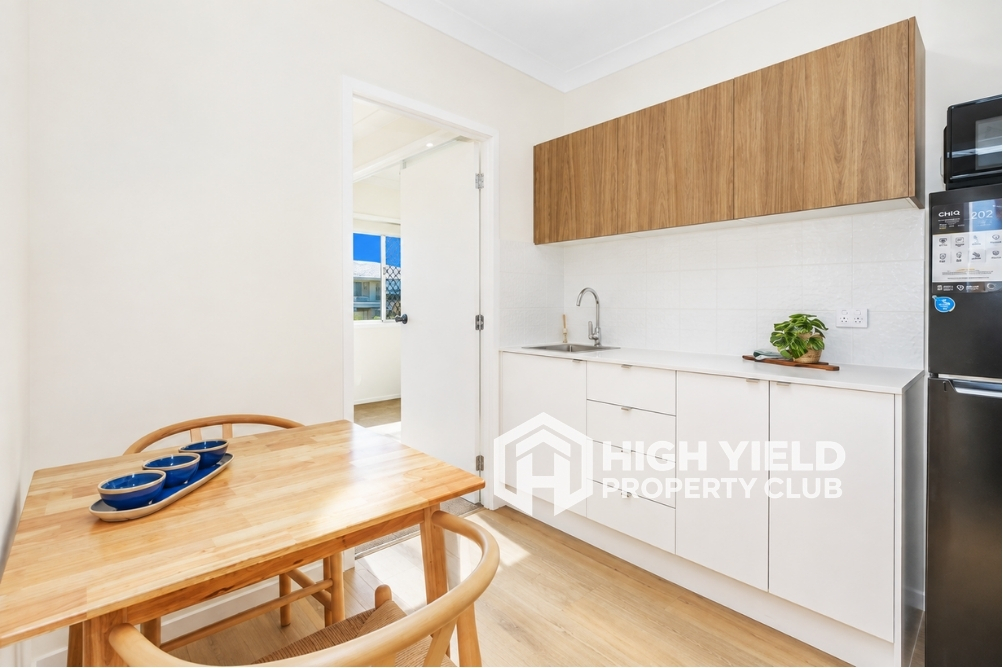
Each lockable micro-apartment has its own bedroom, ensuite, kitchenette, and lounge. The five micro-apartments share common areas such as full kitchen, dining and laundry area. This structure is purpose-built, designed to maximise space efficiency without sacrificing privacy.
For savvy investors with clear understanding of the Australian property market today, rooming houses are their preferred asset. Rooming houses delivering 8%+ P.A. returns significantly outperform traditional properties with 3% to 5% P.A. by providing stronger cash flow. In today’s high-interest-rate Australian market where holding costs have increased, cash flow has become even more important. Rooming houses also provide multiple income streams for having multiple tenants, reducing vacancy risks compared to a single-tenant property. Combined with higher depreciation on new builds and ongoing rental demand, rooming houses offer better resilience and faster portfolio growth potential.
What Are Micro Apartments?
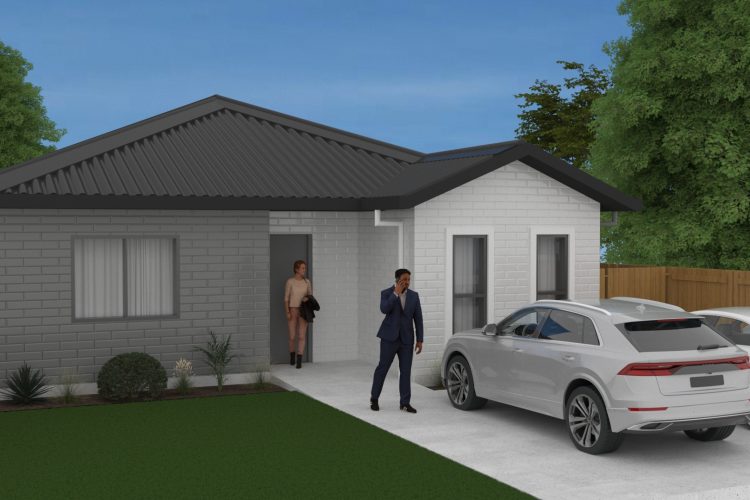
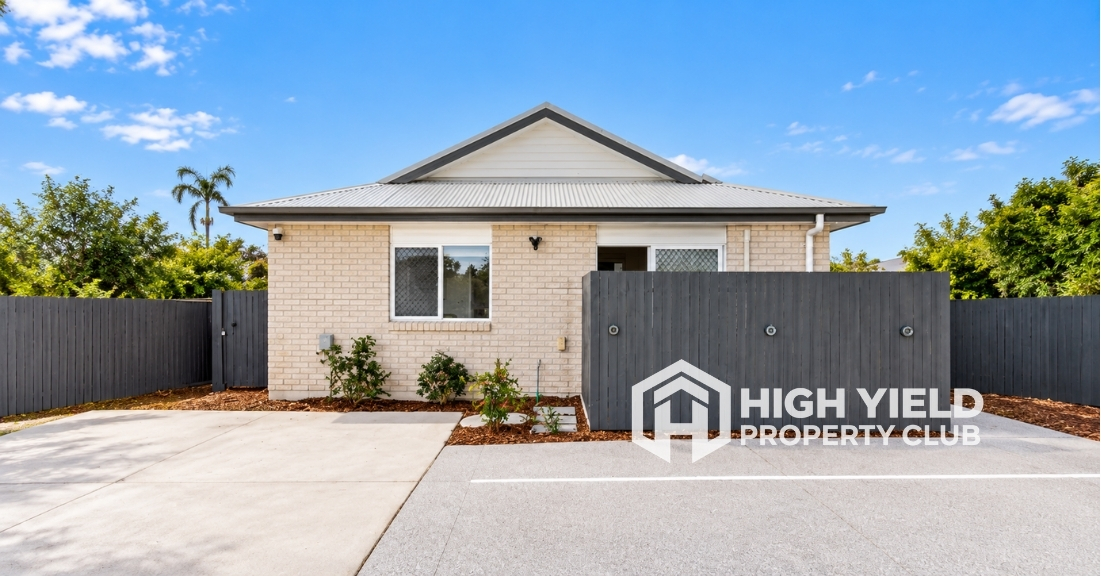
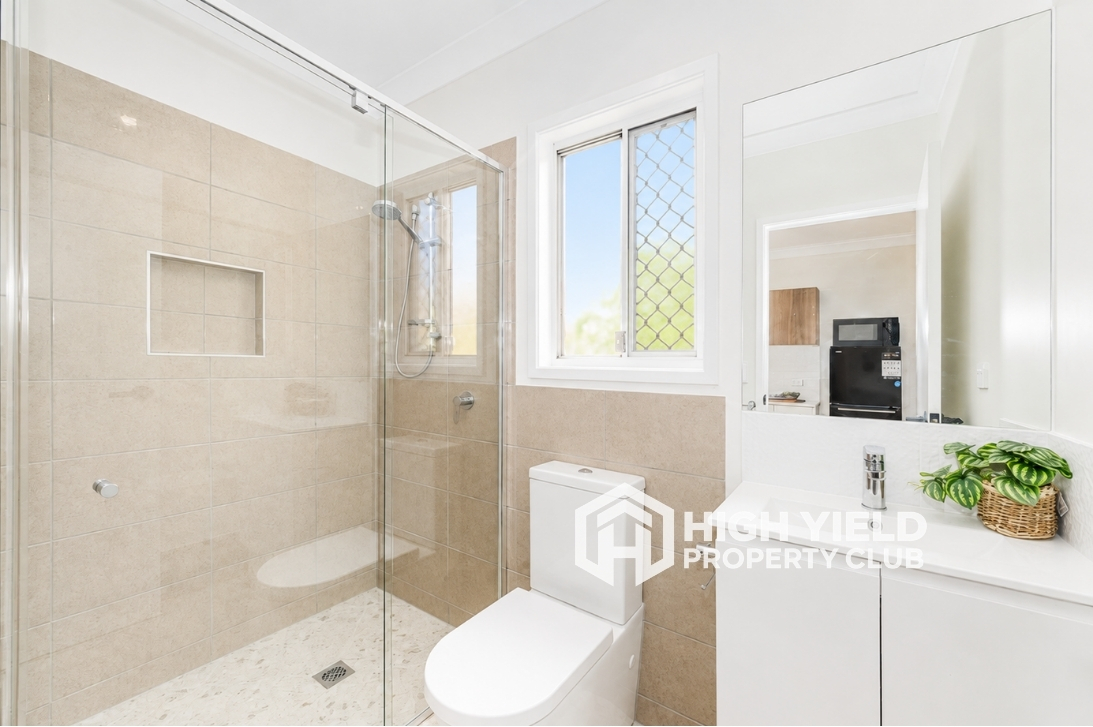
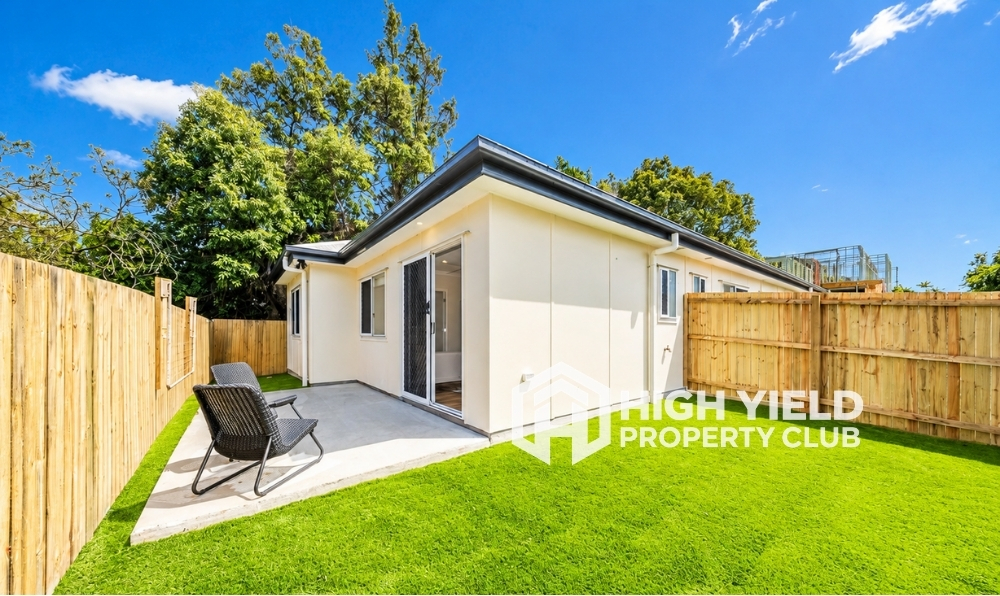
Micro-apartments are self-contained accommodations within a larger structure called rooming house. Outside, a rooming house looks like a traditional single-dwelling home. Inside, it contains at least five micro-apartments, each with its own bedroom, ensuite, lounge, kitchenette, and storage. Tenants share common areas such as full kitchen, dining, living room, laundry, and outdoor space. Each micro-apartment is self-contained and lockable for privacy.
What are its features?
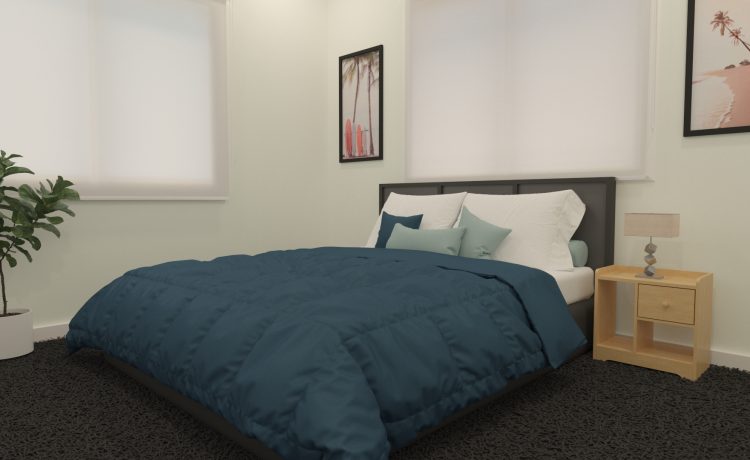
Modern micro-apartments are designed with tenant comfort and efficiency in mind. Even if compact at about 30 sq m per micro-apartment, they are thoughtfully planned to feel like a “sacred space”, with functionality, comfort, and privacy.
Modern micro-apartments in modern rooming houses typically feature:
- Secure electronic entry systems
- High-quality appliances
- Private ensuites and kitchenettes
- Solar power and energy-efficient fittings
- High-speed Internet access
Modern rooming houses are also professionally managed, ensuring that shared areas are clean, functional, and well-maintained. This also why modern rooming houses have high tenant satisfaction, long-term lease, and retention.
Are Tenants Attracted to Micro Apartments?
Yes. Demand for micro-apartments in Brisbane is strong and growing. Rooming house tenants are typically single professionals, essential workers, and early-career employees.
Contrary to the outdated assumptions about rooming houses attracting low-quality tenants, modern HYPC rooming houses actually attract reliable, and middle-income tenants. From the latest HYPC rooming house tenant demographic (May 2026), the average income per week is $1,525. The average rent of $425 per week is relatively affordable, especially because this includes basic utilities such as water, electricity, and Internet.
These tenants prioritise affordability, privacy, and location. Each micro-apartment offers a secure, private living space, making it a viable long-term housing option rather than short-term accommodation. From the latest HYPC rooming house tenant demographic (May 2026), more than 80% have at least 12 months secured lease.

Among the top industries of employment are retail, customer service and hospitality, health and social care, and office and administrative support.
What is the Difference Between a Rooming House and a Boarding House?
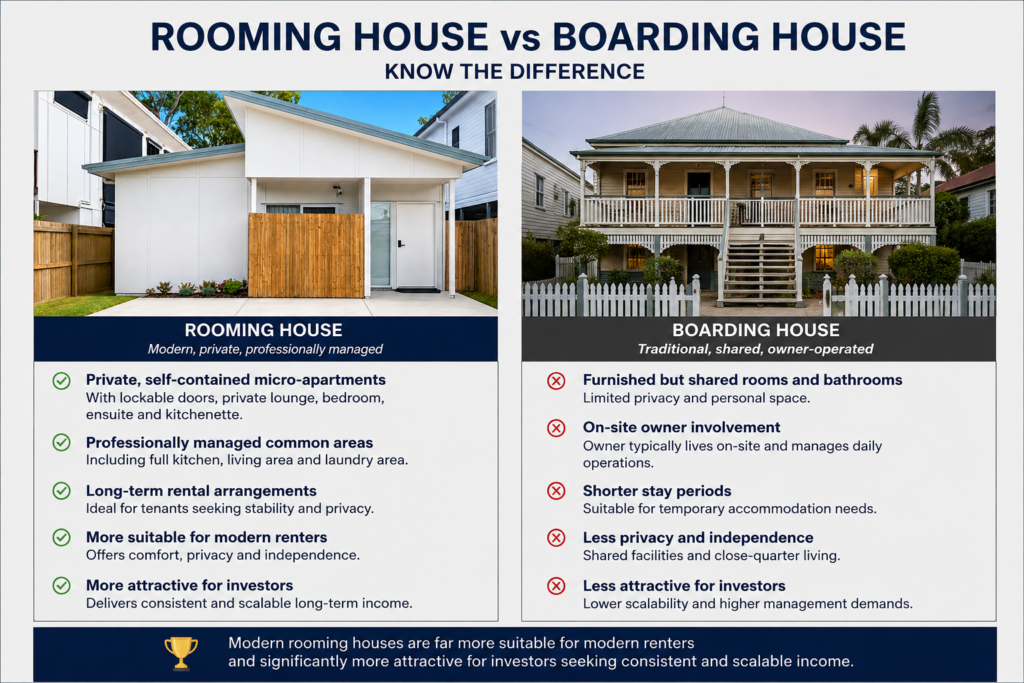
Rooming houses and boarding houses are often confused and used interchangeably. However, they are fundamentally different.
Boarding houses usually have furnished but shared rooms and bathrooms with limited privacy. They also require on-site owner involvement. Tenants usually stay for shorter periods.
In contrast, rooming houses provide private self-contained micro-apartments with lockable doors, private lounge, bedrooms and ensuites and kitchenettes. There are professionally managed common areas such as full kitchen, living area, and laundry area. Rooming houses also have long-term rental arrangements.
Hence, modern rooming houses are far more suitable for modern renters and significantly more attractive for investors seeking consistent and scalable income.
Are Micro Apartments Profitable in Brisbane?
Micro-apartments can be developed as a part of a compliant rooming house across residential zones within the Brisbane City Council areas, subject to planning rules and development requirements. Opportunities exist to build on vacant residential land, redevelop existing properties, and construct purpose-built rooming houses.
However, with the BCC proposed amendment L, it might be difficult to achieve the current micro-apartment model. Some of the proposed planning amendments may negatively affect rooming house design and functionality. These changes may create practical complications for both investors and tenants. Nonetheless, these challenges to Brisbane rooming are opening lucrative opportunities in other councils (like Ipswich) and states (like Victoria) seeking affordable housing solutions like rooming houses.
Brisbane and wider Queensland remain to be one of most lucrative locations for savvy investors seeking high-yield return. The influx of young residents paired with a lack of affordable housing options has created a housing crisis that shows no signs of easing. From 2021 to 2026, median Brisbane dwelling values have increased by about 40% to 60%, based on the reports by Cotality (formerly Corelogic). This is also true for HYPC rooming houses as their resale value have been increasing significantly in the recent years. Some HYPC rooming house investors get considerable profit from rooming flips.
For HYPC investors whose strategy is to hold purpose-built rooming house in Brisbane, they get at least $100,000 per annum per property. As of May 2026, the average weekly rent in HYPC rooming houses is $425 per micro-apartment. A single rooming house generally has up to five micro-apartments. This multi-income structure reduces vacancy risk and support stronger cash flow. Finally, total rental income can significantly exceed that of a traditional, single-tenant properties.