









Rooming Houses Melbourne & Victoria: A High-Yield Opportunity in Australia’s Fastest-Growing State
Melbourne and Victoria are entering one of the strongest housing and population growth periods in their history. With sustained interstate and overseas migration, tightening rental markets, strong state-led housing strategy, the fundamentals strongly support high-yield rooming house investments.
To support this population growth, the Victorian Government laid out a comprehensive housing framework targeting millions of new homes across Melbourne and regional cities and towns for the next 30 years. This general policy aims to increase housing supply, improve affordability, and deliver greater housing diversity.
Moreover, affordability pressures and rental stress intensify and single-person households rise. Hence, the need for smaller and well-located accommodation is becoming more urgent. This environment creates a favorable condition for compliant rooming houses in approved locations in Melbourne and Victoria.
Government Policy and Planning Direction
In September 2024, the Victorian Housing Register reported that 53,554 households were waiting for a home. More than 290,000 Victorian households experience rental stress. Affordability is a major concern. Today, a household earning the median income of $105,000 can afford only around 13% of homes currently on the market.
To address the problem on housing supply, the Victorian Government’s long-term plan aims to deliver 2.24 million homes over the next 30 years: 70% new homes in established areas and 30% in greenfield areas. Forty-five surplus government sites will have 9,000 new affordable housing facilities. Melbourne’s newest suburbs will have 180,000 new homes over the next 10 years. At least 10% of target affordable housing will be in these areas.
Each council will determine its share of the state’s housing target. State policy ensures that the new housing facilities are located close to jobs, shops, public transport, and community services. Aside from increasing the supply of affordable housing, another goal is to create more diverse housing types suitable for all kinds of households: families, seniors, and singles.
In terms of rooming house developments, the state government of Victoria, the City of Melbourne council and other local councils have strict planning framework guiding rooming house developments. Rooming houses are subject to state and local zoning requirements, planning overlays, and strict compliance standards. Some local councils even have different definitions of what a rooming house is. Approval pathways can be complex depending on the location and governing council.
Building compliant rooming houses requires proper due diligence. Investors may face delays and compliance risks. For this reason, you should work with an established Victoria rooming house builder. They are well-equipped with proper site selection, town planning assessment, and structured project delivery. The High Yield Property Club works with vetted rooming house builders to help investors manage compliance risks and get compliant high-yield rooming houses.
Demographic Drivers
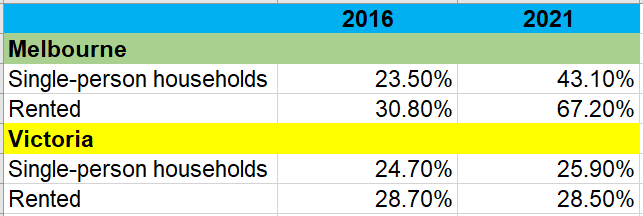
The 2021 ABS Census shows significant shifts in household compositions in Melbourne and Victoria. In Melbourne, 43% of total households are single persons. More than 67% of all dwellings are rented. Across Victoria, 25.9% of households are single persons. About 29% of dwellings are rented. Statewide, both single-person households and rented dwellings increased from 2016 to 2021.
Smaller households and rental living are not short-term trends but are embedded in Victoria’s housing landscape. This illustrates strong long-term demand for smaller, flexible accommodation options like rooming houses.
Infrastructure Pipeline and Connectivity
Major transport infrastructures including the Metro Tunnel, North East Link and Suburban Rail Loop (SRL) are reshaping connectivity, employment access, and housing patterns in Melbourne and Victoria.
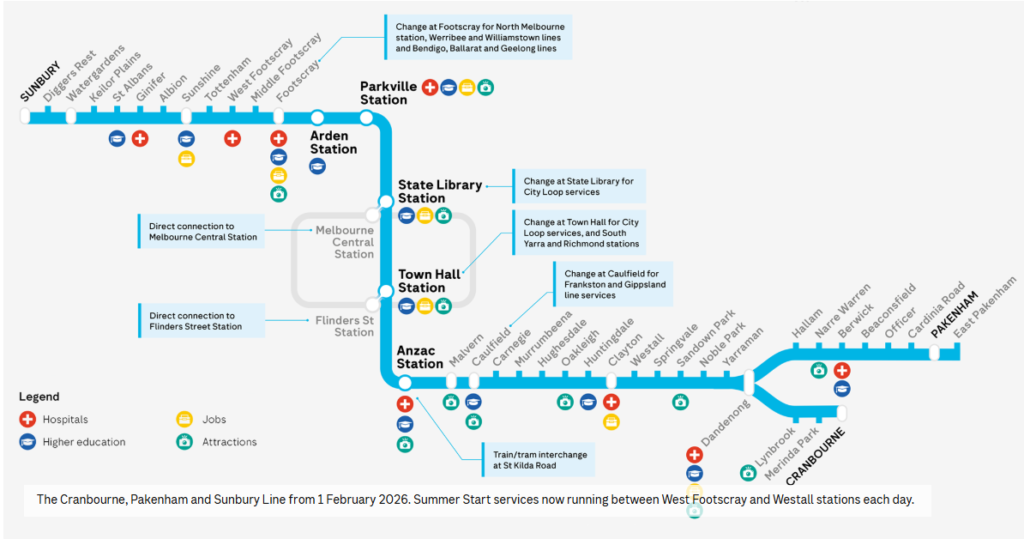
The Metro Tunnel opened in November 2025 to connect Cranbourne, Pakenham, and Sunbury lines. It is equipped with new underground stations with improved reliability and high-capacity services. It strengthens access to major hospitals, universities, and commercial precincts for many residents.
The North East Link, targeted to open in 2028, will improve two of Melbourne’s busiest freeways. It is expected to reduce travel times by up to 35 minutes and remove 15,000 trucks daily from local roads.
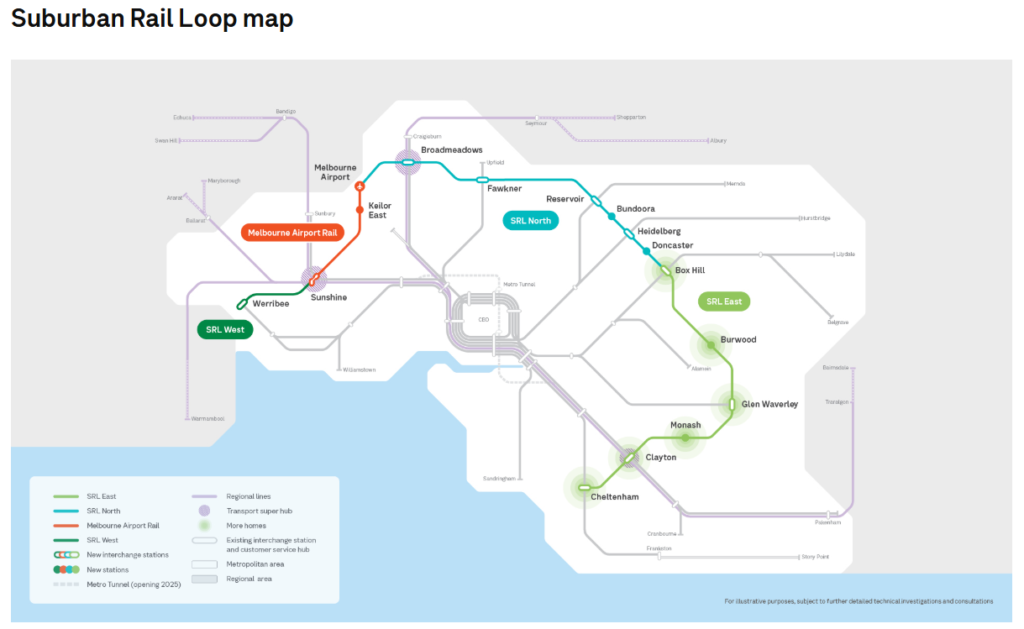
The 90-kilometre SRL will connect every major train line from Frankston to Werribee via the Melbourne Airport. Set to open in 2035, the SRL East will deliver six new underground stations. The project will pave the way for more than 70,000 homes and create 230,000 jobs around station precincts over time. The SRL will support higher-density housing near transport and employment hubs.
These infrastructure pipelines will expand labour catchments and reinforce demand for well-located, transport-connected housing. As accessibility improves, established suburbs and transport corridors becomes increasingly attractive to renters seeking affordability without sacrificing job proximity. In their policy meetings and surveys, the state government determines that affordability and job accessibility are consistently identified as the most important factors that Victorians consider when deciding where to live. This sentiment directly supports well-located rooming house developments near employment hubs and transport corridors.
For rooming house tenants, particularly healthcare workers, retail employees, hospitality staff, students, and essential service providers, nearby reliable public transport is critical. Proximity to transport and employment hubs increases tenant appeal and occupancy stability.
Capital Growth Drivers and Rental Market Strength
Recent performance reflects strengthening market conditions. From January 2025 to January 2026, Melbourne dwelling values increased by 5.4%, while rental rates increased by 3.5% in the same period. Regional Victoria recorded 7.1% increase in dwelling prices and 3.6% in rental rates.
Further growth in house prices is forecasted, 7% increase in 2026 and another 7% in 2027 for Melbourne. Almost similar growth is forecasted for units. This outlook combines capital appreciation with rental growth, which strengthens overall return potential.
New data also indicates that investor capital is increasingly being redirected to Victoria as Melbourne experiences renewed investor acquisitions. Melbourne is also considered comparatively more affordable when measured by median house price to income ratios, which also enhances its appeal for long-term investment positioning.
In the past few years, state and local governments have expressed ambitious housing targets. However, housing supply shortage remains. Melbourne’s vacancy rate was 1.7% in January 2026, down from 2% in December 2025. A balanced rental market should be at around 2% to 3%. Very low vacancy rate indicates ongoing undersupply.
Construction cost pressures, financing constraints, and regulatory processes have slowed down dwelling completions. Meanwhile, population growth and rising single-person households continue to drive rental demand. The shortage is most critical at the lower end of the rental market, especially for smaller and more affordable accommodations located near employment hubs.
Why Rooming Houses Melbourne & Victoria Fit the Demographic
Victoria’s housing strategy emphasises greater housing diversity, increased social and affordable housing, and improved housing choice in both metropolitan and regional areas. Data confirms growing base of single-person households, increasing rental tenure, and significant rental stress across the state.
HYPC’s rooming houses fit these structural drivers. With utilities included in the weekly payment and being located close to transport and employment hubs, rooming houses provide affordable housing relative to median income.
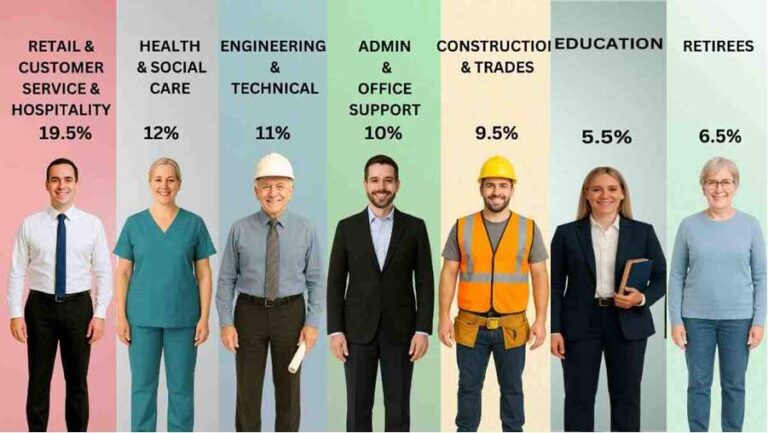
Moreover, HYPC’s rooming house tenant demographics in terms of employment fit Melbourne’s employment landscape, particularly for healthcare workers, aged care staff, retail employees, hospitality workers, and other essential service providers. It is a common misconception that rooming houses attract low-income group. In reality, it is the essential workers from these established industries who benefit from the affordability and secured lease that rooming house offers.
What it means to Rooming Houses Melbourne & Victoria Investors
For rooming house investors, Melbourne and Victoria present a favorable location of demographic growth, rental undersupply, infrastructure expansion, and renewed investor confidence. The combination of rising single-person households, strong rental demand, low vacancy rates, and projected capital growth supports compliant rooming houses as resilient, income-focused investment strategy.
As affordability becomes the dominant housing constraint and state works underway to deliver 2.2 million new homes in the coming decades, well-located and properly executed rooming house developments are aligned with both government policy and genuine community need across Melbourne and Victoria.
Contact us today to check if this investment strategy fit your needs.