









Dual Income Properties vs. Rooming Houses: Which are the Better Positive Cash Flow Properties?
In the recent years, Australia’s property market has been shifting rapidly. Traditional investment assets including standard residential, dual-income properties, and even small-scale commercial, are no longer delivering the returns that savvy investors seeking strong yield, fast equity acceleration, and tax-efficient wealth require.
Reports show that Australia’s average gross rental yield for houses and units is at 3.5%. Meanwhile, the average investor mortgage rate is about 6%. For many investors, this means negative cash flow, rising holding costs, and slower portfolio growth.
Some investors try to mitigate these problems by having dual income properties or residential properties generating two separate rental incomes from a single property. Dual income properties can be:
- two fully self-contained dwellings in one block, each having its own entrance, kitchen, and laundry, rented to two different tenants
- one main apartment split into two rentable sections, sharing a main entrance but have separate lockable areas
- a standard home with a detached or detached secondary dwelling (usually called granny flat)
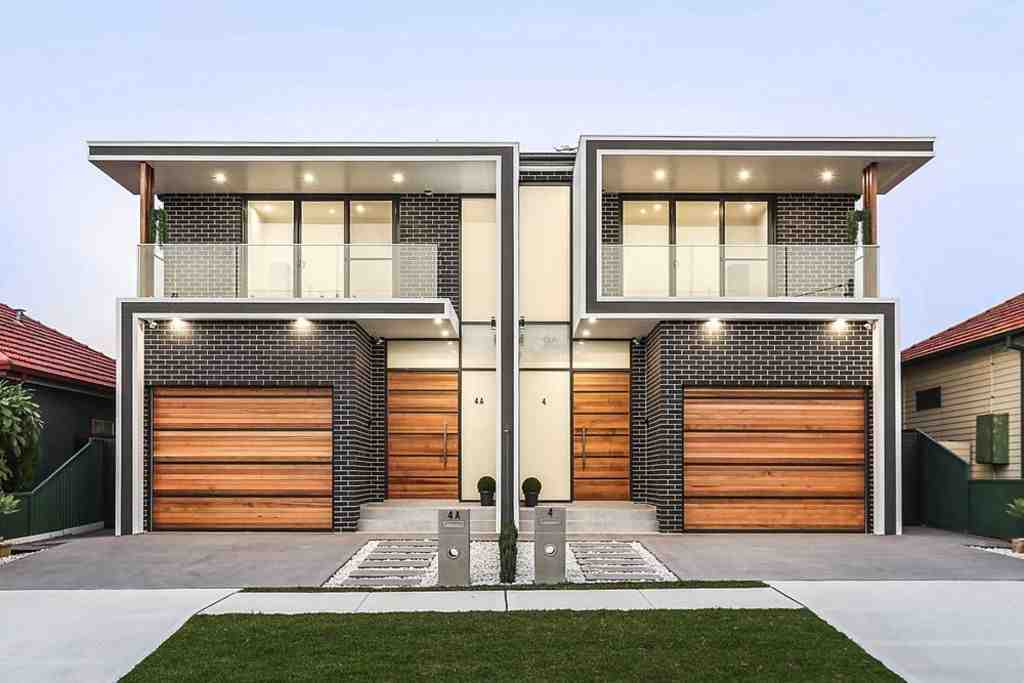
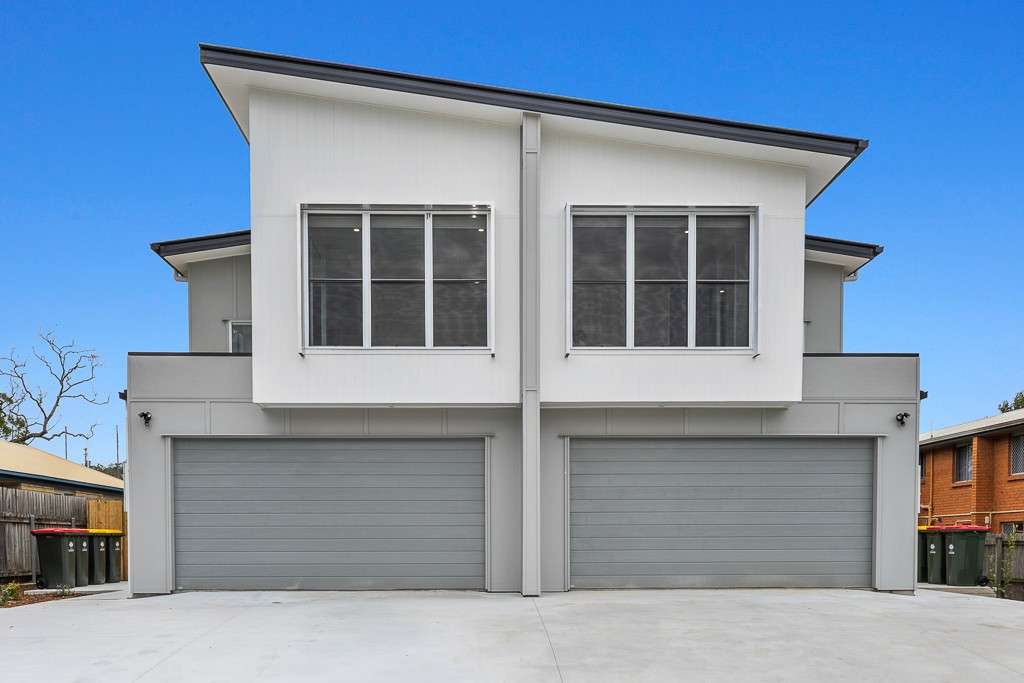
Dual income properties have been marketed as an accessible path to positive cash flow properties. The premise is straightforward: two rental streams in one property. The advantages of dual income properties are lower entry price compared to commercial assets, two separate rental incomes offsetting mortgage rates, tenant diversification reducing vacancy risk, and having higher yields compared to traditional single-income houses.
However, given the rapidly changing property market in Australia, dual income properties are also beginning to fall short. With investors rates hovering above 6%, a 5% to 6% gross yield for dual income properties often result to break-even or even slightly negative cash flow after expenses.
Where Dual Income Properties Are Falling Short:
- Slower equity uplift- The equity created by dual income properties are usually limited to market appreciation.
- Yield No Longer Offsets Debt Costs-With investor interest rates climbing above 6%, a 5% to 6% gross yield often results in near neutral cash flow or slightly negative after other expenses.
- Limited Tax Efficiency- While dual income properties offer depreciation benefits, they cannot generate significantly larger deductible items for tax efficiency.
In today’s market, even dual income properties can no longer satisfy the investors’ need for innovative solutions. Even dual income properties fall short in helping investors solve their problems on negative cash flow, rising holding costs, and slower portfolio growth. While dual income investments remain useful, they are no longer the most strategic or innovative tool that investors need to fast-track their portfolio growth.
Rooming Houses: High Yield, Positive Cash Flow Investing
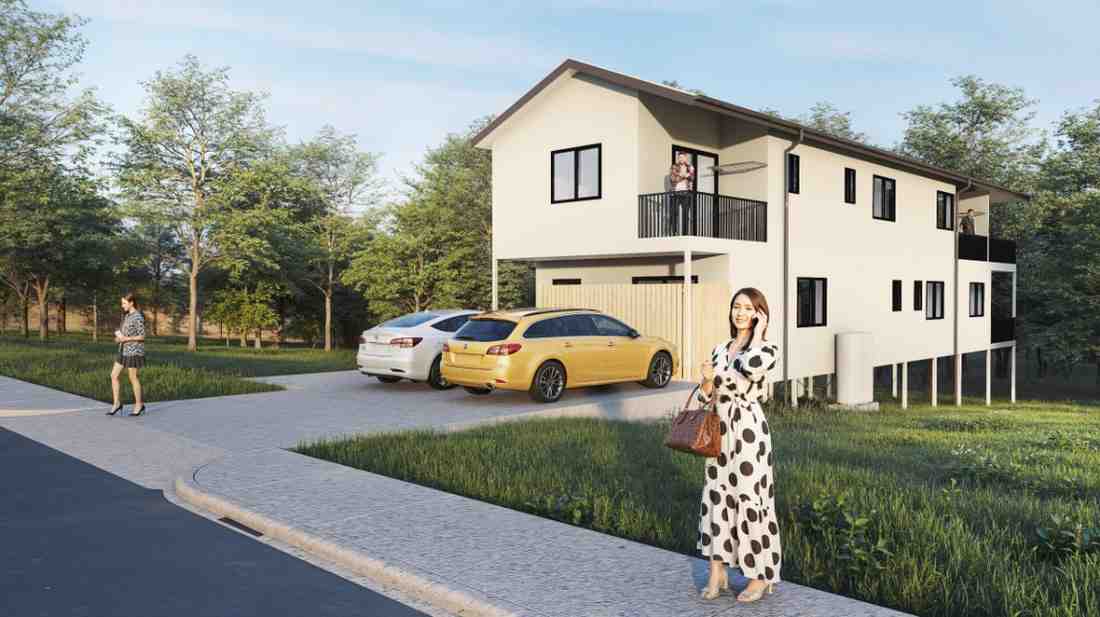
Purpose-built rooming houses in Southeast Queensland are reshaping the market for investors who want:
- Higher yields and positive cash flow
- Equity uplift
- Superior tax efficiency
- Reduced risk through multiple income streams (5 rental rooms in one property)
- Purpose-driven investment aiming to contribute a solution to the affordable housing crisis
Rooming houses are not “share house” or low-quality, low-socioeconomic housing.
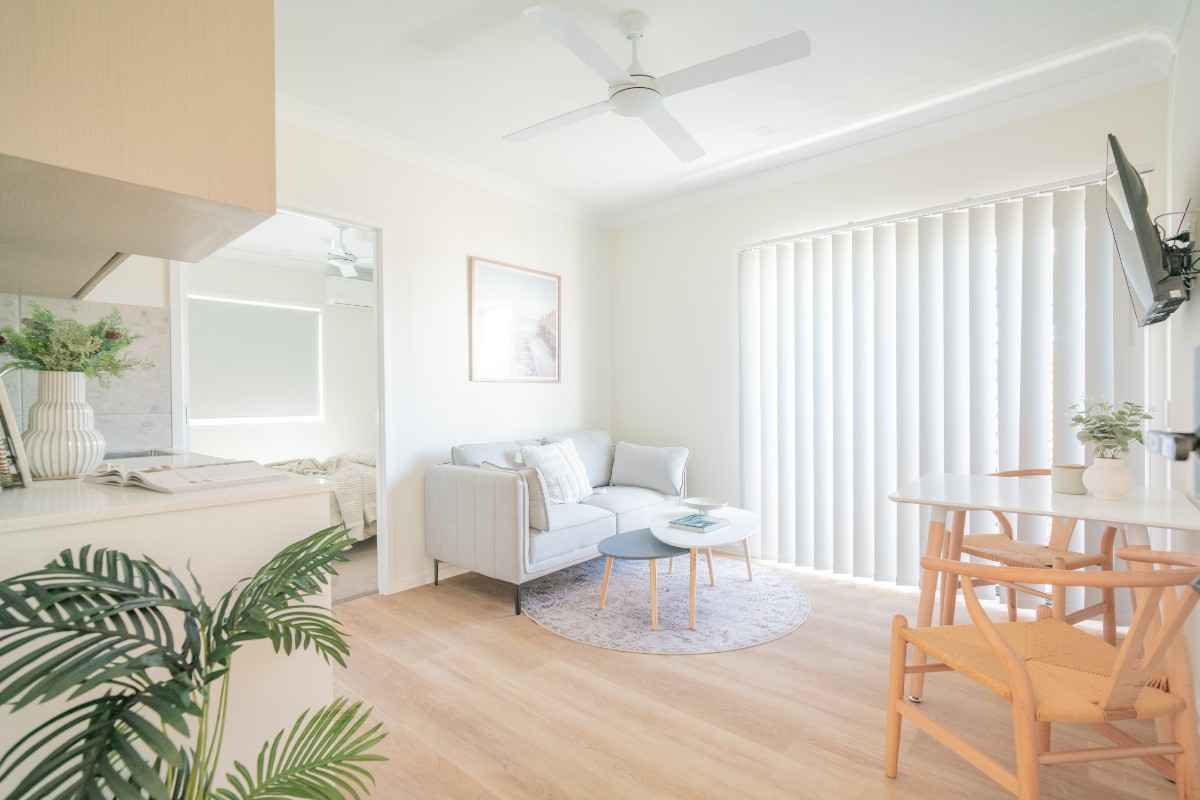
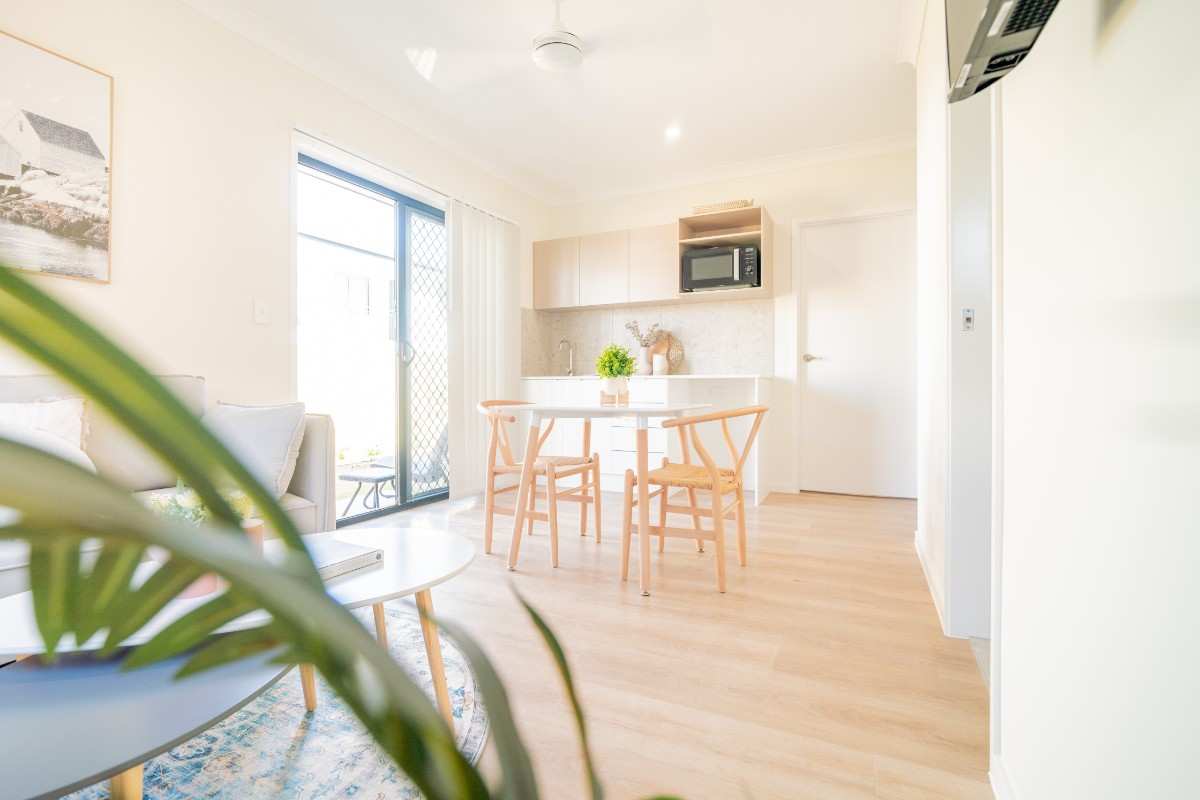
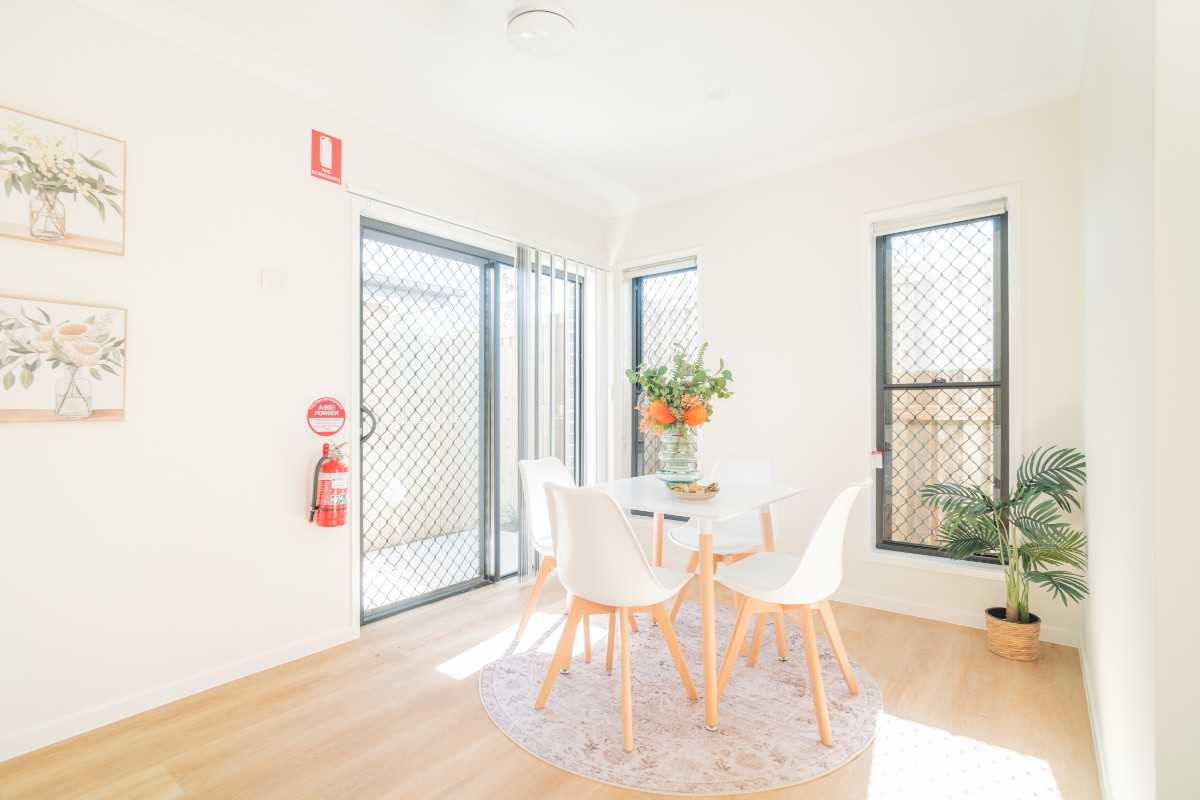
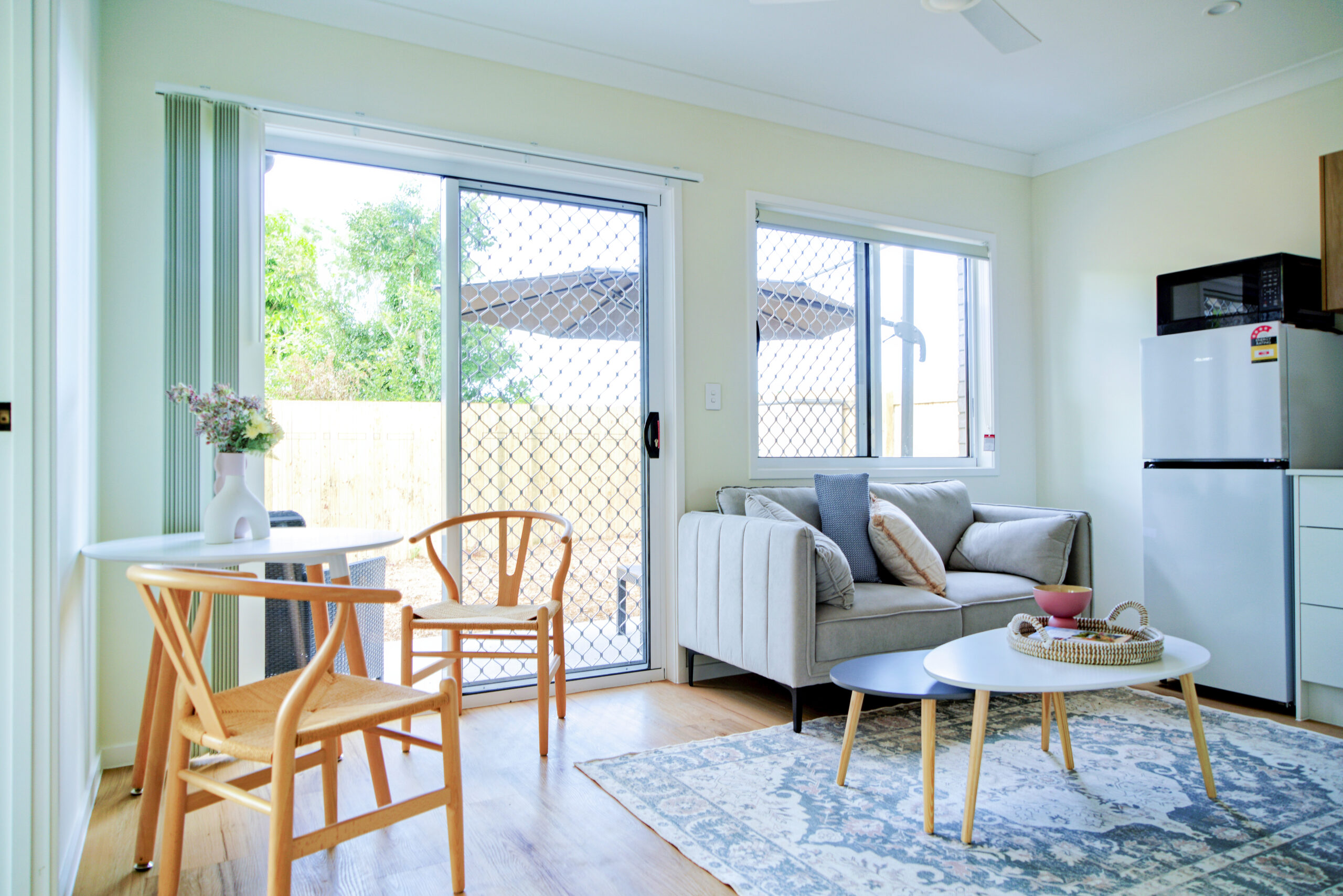
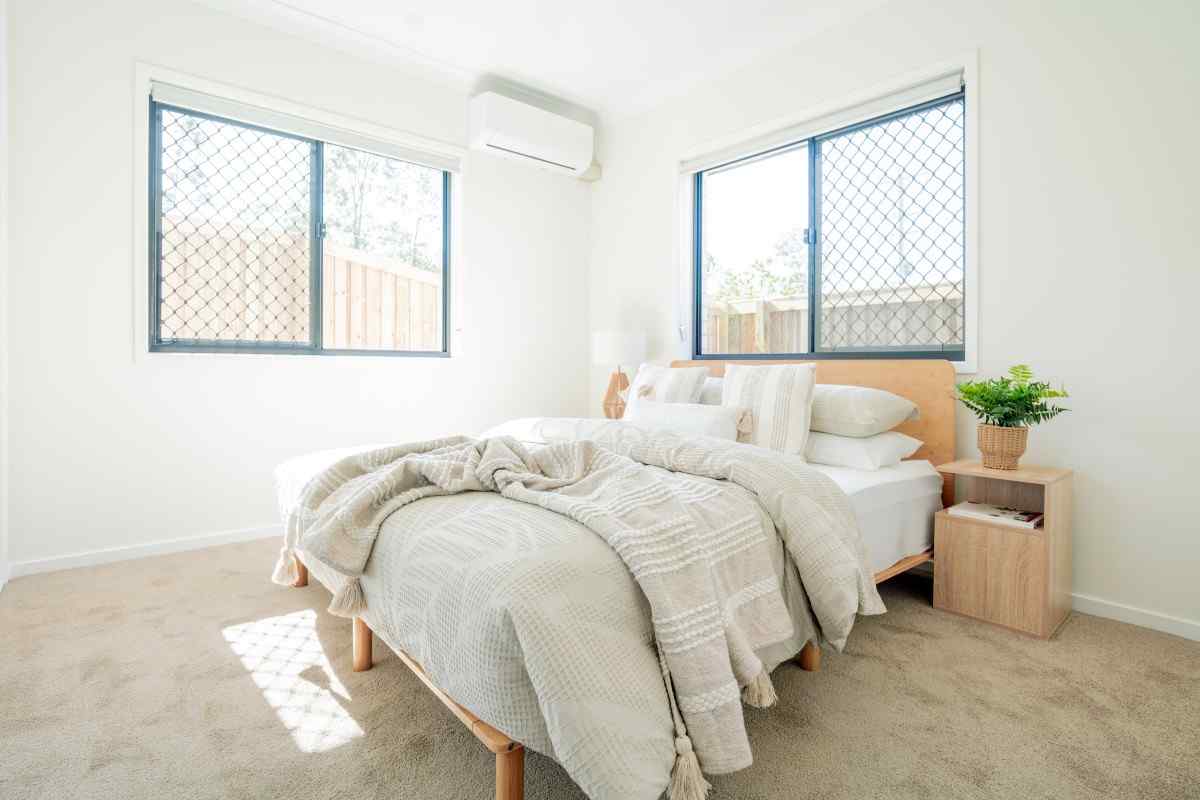
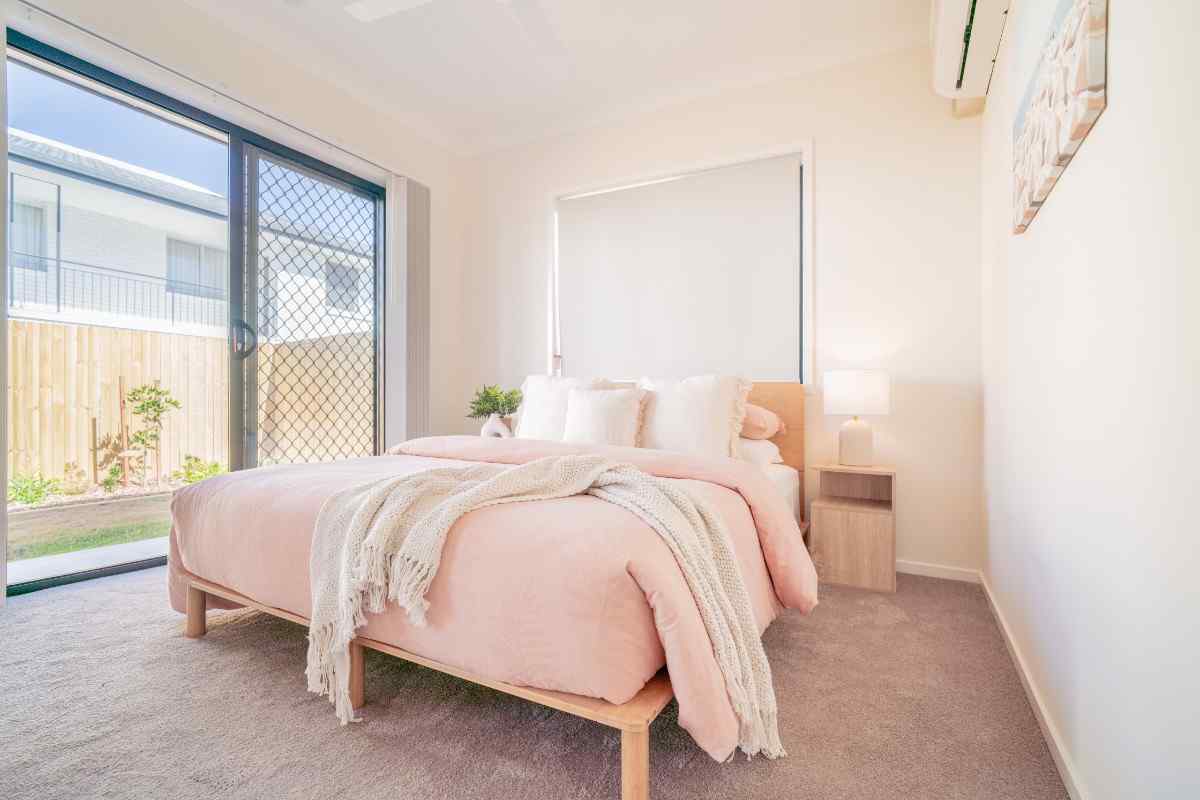
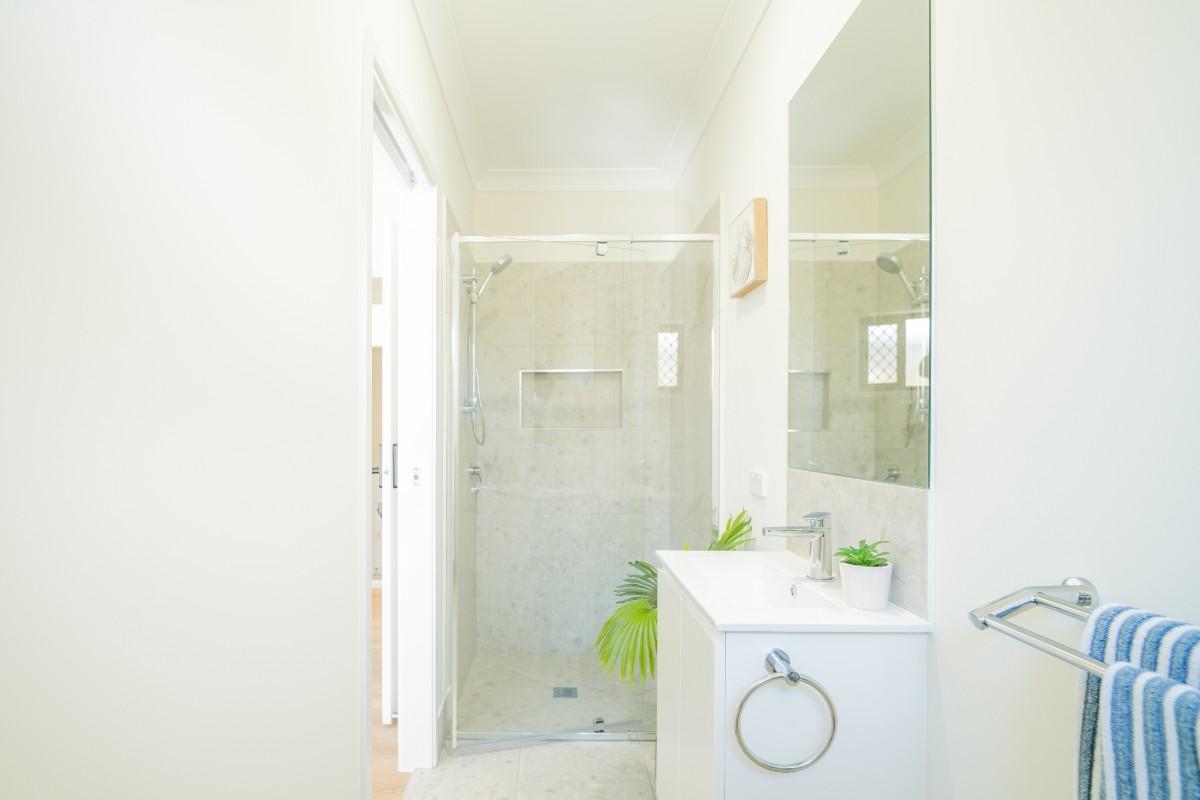
Rooming houses are purpose-built Class 1B standard highly-functional, beautiful, and purpose-designed micro-apartments. At High Yield Property Club, these purpose-built micro-apartments create dignified, sacred spaces for tenants needing safe, private, and flexible accommodation within a short commute to their workspace.
HYPC Rooming Houses are fully furnished, with private suite kitchenette and ensuite, but are highly affordable for average wage. Weekly rent also covers basic utilities and Internet. Even so, rooming houses average weekly rent still remains cheaper than tent sites at many caravan parks in Southeast Queensland.
Why Rooming Houses are Outperforming Dual Income Properties
Higher Rental Yields
Modern purpose-built rooming houses get more than 8% return, higher compared to just 5% to 6% returns from dual income properties. The yield for rooming houses is particularly higher in more affordable councils such as Ipswich and Moreton Bay. This gap in rental yield means that rooming houses are more likely to deliver strong positive cashflow. Dual income properties often deliver neutral cash-flow because they rely more heavily on capital growth and wider rent increases in order to get more positive cash flow.
Reduced Vacancy Risk Through Multiple Tenancies
A dual income home has two income streams, so if one unit becomes vacant, the other can continue generating rent. However, a vacancy still removes 50% of the property’s potential income, which significantly affects cash flow. On the other hand, a purpose-built rooming house spreads income across five to ten individual rooms, which reduce vacancy risk. If rooming houses lose one tenant, the rental income is reduced by only a small percentage rather than half. As a result, rooming houses can deliver a more stable and predictable positive cash flow compared to dual income properties.
Superior Tax Efficiency
Rooming houses have higher tax efficiency compared to dual income properties. In general, Class 1B rooming houses qualify for higher depreciation schedules due to specialist construction, deductions on furnishings and fit-out, potential GST credits, and interest deductibility across higher-yielding assets.
Rooming Houses Fit the Demographic
Rooming houses align with the strongest demographic shift driving rental demand: the rise of single-person households. ABS identifies single person households as Australia’s fastest growing household type. In Queensland, single or lone person households make up 24.5% of all household types in 2021. Unlike dual-income properties, which rely on couples or families to sustain demand, rooming houses directly serve the fastest-growing segment of the rental market, which are single-person households. While dual-income rentals are more exposed to lifestyle changes and household consolidation, rooming houses capture consistent demand from individuals seeking affordable, flexible accommodation aligned with current demographic trends.
Manufactured Capital Growth and Equity Uplift
Unlike dual-income homes which rely on market appreciation for equity, rooming houses can generate instant equity uplift through their construction and valuation methodology. Rooming houses are valued higher due to income-based valuation methodology, specialist construction standards, and scarcity and demand for compliant properties. Investors often achieve $100,000 to $250,000 in manufactured equity upon completion of their rooming house. One investor of HYPC Wholesale Rooming House System earned a remarkable $289,000 gross profit in their rooming house flip.
The Verdict: Which Investment Strategy Wins in terms of Positive Cash Flow?
In the current Australian market, rooming houses outperform dual income properties in terms of delivering positive cash flow. Higher yields, diversified income streams, and stronger tax efficiency allow rooming houses to remain cash-flow positive even with elevated interest rates. Unlike dual income properties that rely on long-term market appreciation, rooming houses are income-driven assets from day one. For investors prioritising cash flow resilience, faster equity uplift, and portfolio scalability, rooming houses are the smarter choice.