Buying a Rental Property in 2026: Rooming Houses in SEQ
In 2026, buying a rental property in Australia is no longer a passive investment that depends only on capital appreciation. Higher interest rates, land tax aggregation, tighter credit assessment, and persistent construction shortfalls make the traditional rental properties inefficient. This shift is even more visible in Southeast Queensland (SEQ), where population has outpaced housing supply for long enough until affordability pressure has become structural rather than cyclical.
For savvy investors operating in this environment, the core challenge is no longer simply identifying where prices might rise for market appreciation, but determining which assets can deliver sustainable income, accelerate equity, and remain viable despite constant regulatory changes. Within SEQ, rooming houses, which fits how people live, work and rent, continues to be a strong pick for savvy investors.
SEQ operates as an integrated housing and labour market across many councils including Brisbane, Ipswich, Moreton Bay, and Logan. Employment flows, transport corridors, and rental demand move fluidly between Brisbane, Ipswich, Moreton Bay, and Logan. As housing costs rise in one area, pressure shifts in the region’s outward areas. This dynamic has intensified since 2020 as interstate migration into Queensland accelerated.
Australian Bureau of Statistics report that Queensland has absorbed the highest net interstate migration of any state in Australia in the recent years. The majority of settling recorded across the SEQ corridor, attracting 16% of Australia’s net internal migration in early 2025. This migration is driven by affordability pressure and lifestyle shifts. These arrivals are primarily composed of working-age adults who want to rent first, often indefinitely. However, construction delays, labour shortages, and planning constraints have also made it challenging for housing supply to keep up with the demand. The result is the chronic shortage of affordable rental stock in the region.
The Mismatch between SEQ Housing Stock and Household Composition
The dominant growth in Southeast Queensland employment is in the industries of healthcare, logistics, transportation, and construction services. These industries rely heavily on shift workers, contract staff, and single-income households. The housing needs of these potential tenants differ materially from what most residential supply offer.
Australian census data shows that single-person households are the fastest-growing household types in Queensland, almost a quarter of all households. The rise of single-person household is driven by increasing preferences to delay marriage, postpone having children, need for flexibility and mobility, and ageing alone. Yet, majority of housing stock across SEQ remains oriented toward family households.
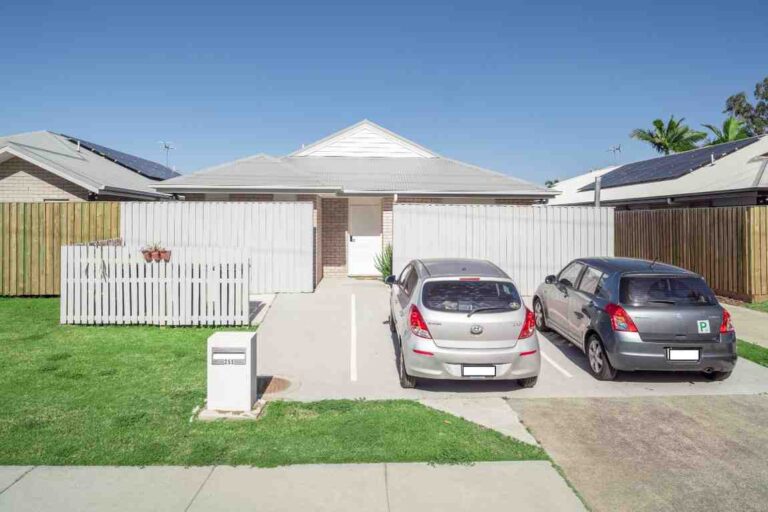
Rooming houses directly address this mismatch. They provide affordability, certainty, and proximity to employment hubs. They align more closely with how a growing segment of the SEQ population actually lives.
Rooming Houses: Affordability at the Base of the Market
Rooming houses represent low-cost, compliant form of private rental accommodation based on measurable weekly housing cost. Meanwhile, long-stay caravan parks and powered campsites across Queensland charge weekly rates more expensive than rooming houses despite the lack of security of tenure, limited privacy, and reduced safety.
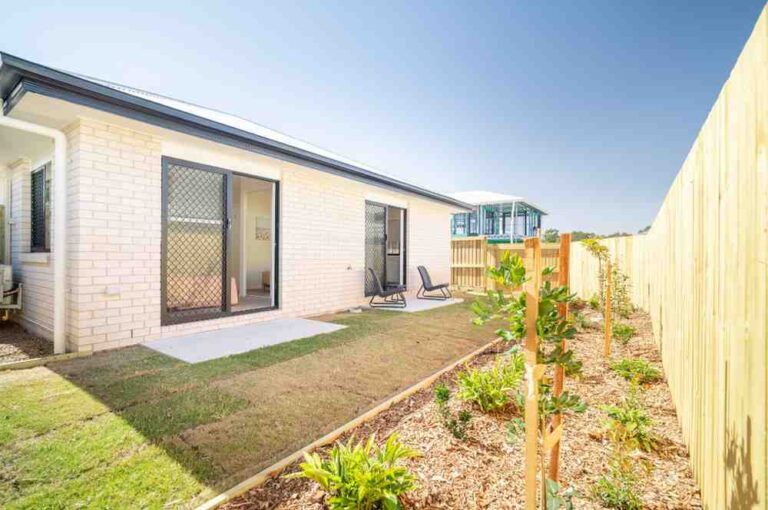
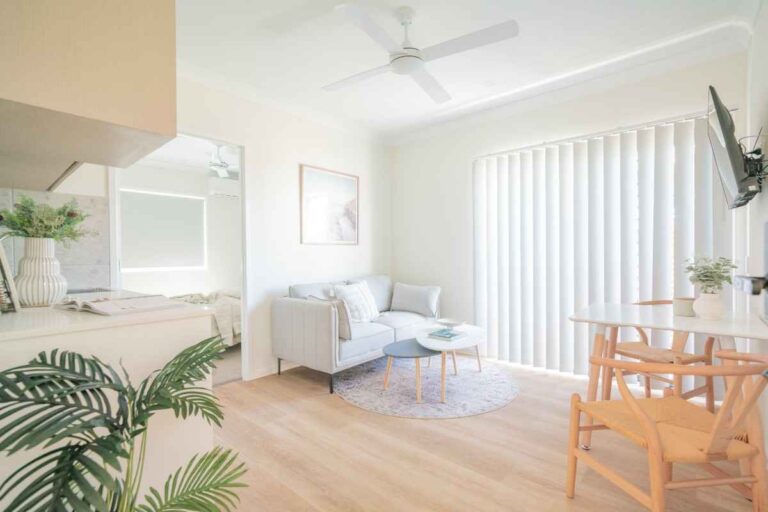
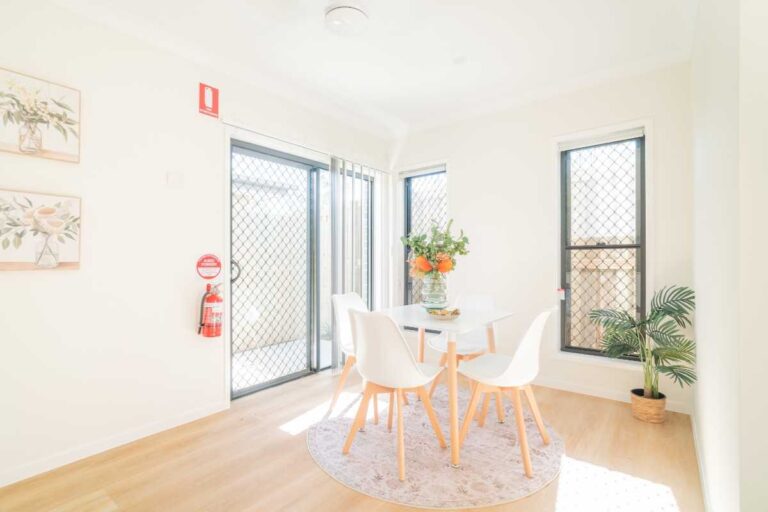
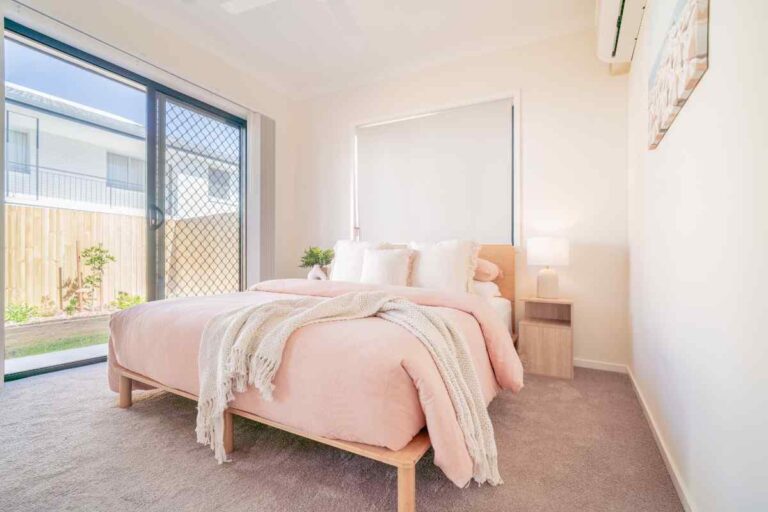
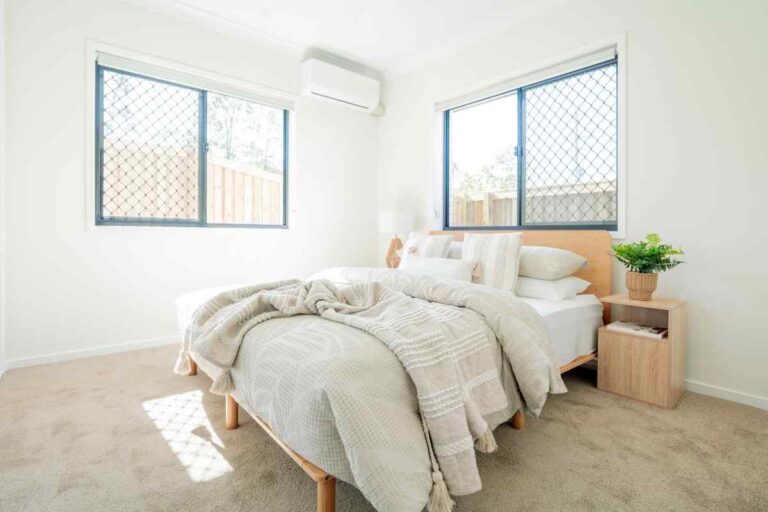
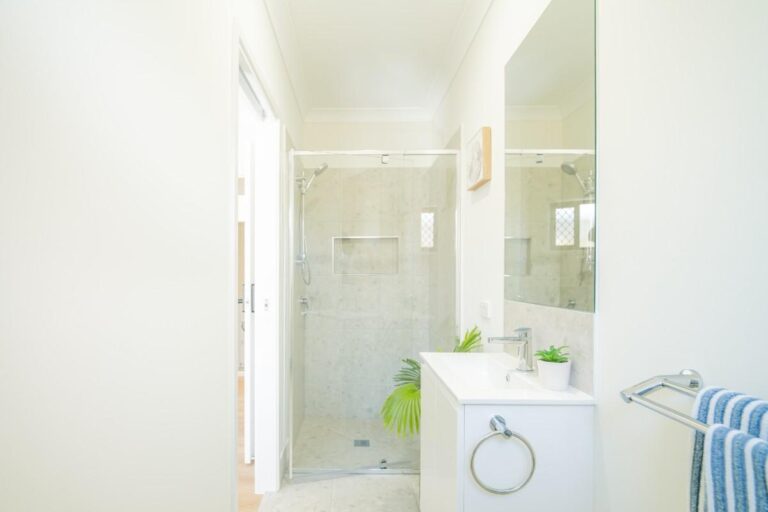
In contrast, compliant rooming houses across SEQ typically provide fully-furnished, lockable rooms with shared amenities, and at a lower all-weekly cost including Internet, water, and other utilities. For tenants, this represents the most accessible form of stable housing available. For investors, this means a smart investment strategy that remains resilient as broader rental markets fluctuate.
Ipswich and Moreton Bay Illustrate the SEQ Opportunity
While Brisbane remains as the largest employment centre, the strongest rooming house economics increasingly emerge in surrounding councils where land values are lower and regulatory pathways are clearer.
Ipswich has benefited from sustained population inflows into SEQ, expanding healthcare and defence employment, and direct rail connectivity with Brisbane. Land prices in Ipswich remain significantly below inner-Brisbane benchmarks. Savvy investors in these areas acquire suitable rental properties without overcapitalising. Importantly, Ipswich City Council has developed clearer framework favoring rooming house approvals, reducing planning uncertainty and compliance risk.
Moreton Bay combines logistic hubs, hospital expansion, and a rapidly ageing population. These factors generate consistent demand for affordable single-room accommodation near major employment hubs. Larger lot sizes and suburban layouts are better suited to compliant conversions, while land tax exposure remains lower for investors holding multiple properties.
These councils reinforce a broader SEQ reality in 2026: the most compelling rooming house opportunities are rarely located in inner postcodes. Instead, they emerge where labour demand, affordability pressure, and planning reality intersect.
The City of Ipswich is a key area of growth in the South-East Queensland region. Its current population is 253,000 and is forecast to more than double to 534,000 by 2046.
Moreton Bay is now one of the fastest-growing local government areas in Queensland. The population is projected to rise from almost 500,000 residents in 2021 to nearly 700,000 by 2041. With a staggering 44% increase in just 20 years, this means that Moreton Bay is welcoming 10,000 new residents every year
The financial case for building rooming houses rests primarily income. By distributing rental income across multiple tenancies, rooming houses significantly reduce vacancy risk and stabilise cash flow.
Moreover, in SEQ, the traditional single-tenancy rentals are increasingly becoming expensive to hold due to higher interest rates, land taxes, insurance, and maintenance. Contrastingly, rooming houses can deliver higher net yields on comparable land values, even after tax. For high-income investors, this surplus cash flow can be redirected toward principal reduction to shorten loan terms and boost borrowing capacity.
Social Impact as an Investment Stabiliser
Australia’s affordable housing shortage is now formally acknowledged both by federal and state authorities. Rooming houses represent one of the very few scalable private-market responses that do not rely on ongoing subsidy and can be delivered within established suburbs.
From an investment point of view, assets aligned with genuine social need tends to exhibit lower long-term vacancy risk and greater political defensibility. Moreover, they are also less exposed to speculative cycles and more resilient during economic slowdowns. For investors establishing intergenerational wealth, this alignment is favorable.
Finally, rooming houses are described as “sacred” spaces, not just because of aesthetics, but also because they function within a strained system. Rooming houses provide certainty, dignity, and affordability where the traditional rental market fails to provide.
Why Rooming Houses in SEQ is the Smart Investment Strategy in 2026
Buying a rental property in 2026 requires a reassessment of traditional assumptions. SEQ is no longer a peripheral market riding on Brisbane’s growth. The region is characterized by sustained housing pressure, shaped by strong migration inflows, high labour demand, and chronic undersupply of affordable housing.
In this market, rooming houses are no longer a niche strategy or a matter of preference. They are a rational data-supported response to how the SEQ housing market should efficiently operate. For investors seeking positive cash flow, faster debt reduction, improved tax efficiency, and assets aligned with real current market demand, SEQ rooming houses are the smartest investment strategy in 2026.