
Co-living Investments in Australia: A Data-Driven Case for High-Yield Property Investment
If you think co-living investment properties are just low-quality shared housing, you’re evaluating a 2026 investment opportunity using 2006 assumptions.
Smart investors today are not avoiding co-living, they’re repositioning into it. Not because it’s trendy, but because the numbers expose simple truth: Traditional property is no longer optimised for today’s market.
On paper, a 4% yield looks stable. But in reality, after interest, tax, and holding costs, you’re often left with sub-2% net returns. Then, that gap compounds.
Over a decade, it’s the difference between a portfolio that funds your lifestyle and one the depends on it that makes or breaks an investor portfolio.

The Real Problem: Capital is Being Deployed Inefficiently
Most high-income investors don’t struggle in entering the market, but in scaling their portfolio efficiently.
These constraints are structural and compounding. Reduced yield limits serviceability. Holding costs erode cash flow before it can be reinvested. Then, tax takes another cut. And growth becomes a waiting game rather than a proactive strategy.
Cotality data shows gross yields across major capitals sitting in the 3% to 5% range. Factor in RBA-driven borrowing costs, the margin compresses rapidly, often to the point where income no longer meaningfully offsets expenses.
At this stage, many portfolios start underperforming and rely almost entirely on unpredictable capital growth to justify the hold. Over time, you end up paying for your property and not the other way around.

The Shift Towards Co-Living Investments
The drive towards co-living investments in Australia is not driven by mere sentiment or trend. It is being justified by chronic housing shortage, eroding affordability, and rapid demographic change calling for more diverse dwelling types.
The National Housing Finance and Investment Corporation projects a housing shortfall exceeding 100,000 dwellings by 2027. At the same time, the Australian Bureau of Statistics (ABS) reports net overseas migration above 500,000 in 2023, primarily concentrated in urban employment corridors. Moreover, there is also the growing proportion of single-person households and young professionals needing smaller and more affordable housing near these employment hubs.
Vacancy rates have held below 1.5% nationally, far from 3% in a balanced rental market. Accordingly, rents in several capital cities have grown at double-digit rates. With chronic undersupply and deteriorating affordability, tenants needed to make adjustments. For one, many tenants today are making deliberate trade-offs such as location over space, flexibility over long-term leases, and cost-efficiency over traditional housing format. Co-living is what fits these behavioral shifts.
The term “shared housing” is limiting and misleading because it describes what a co-living asset looks like, not what it does for investors.
In the outdated narrative, “shared housing” implies lower-quality tenants, high wear and tear, and operational complexity.
This is not what modern co-living represents from the investment perspective. At its core, co-living is an income optimisation model. Instead of having one tenant and one income as traditional assets do, co-living investment properties have multiple tenants and diversified income streams.
This is why comparisons based purely on property type miss the point. Given the current environment, the more relevant comparison is between income structures.
Quality: The Variable Most Often Misjudged
The assumption that co-living property investments are low-quality shared housing is based on outdated models that no longer define the modern co-living model.
Poorly developed shared housing investment properties used to be characterised by inadequate design, weak tenant selection, and inconsistent management. Modern co-living address each of these directly.
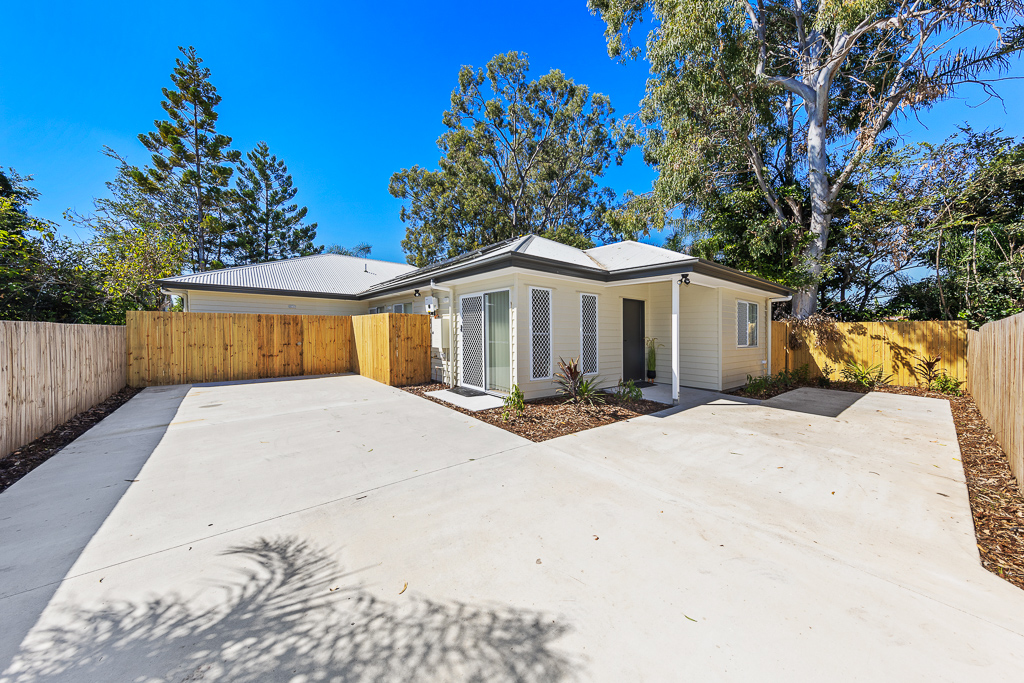
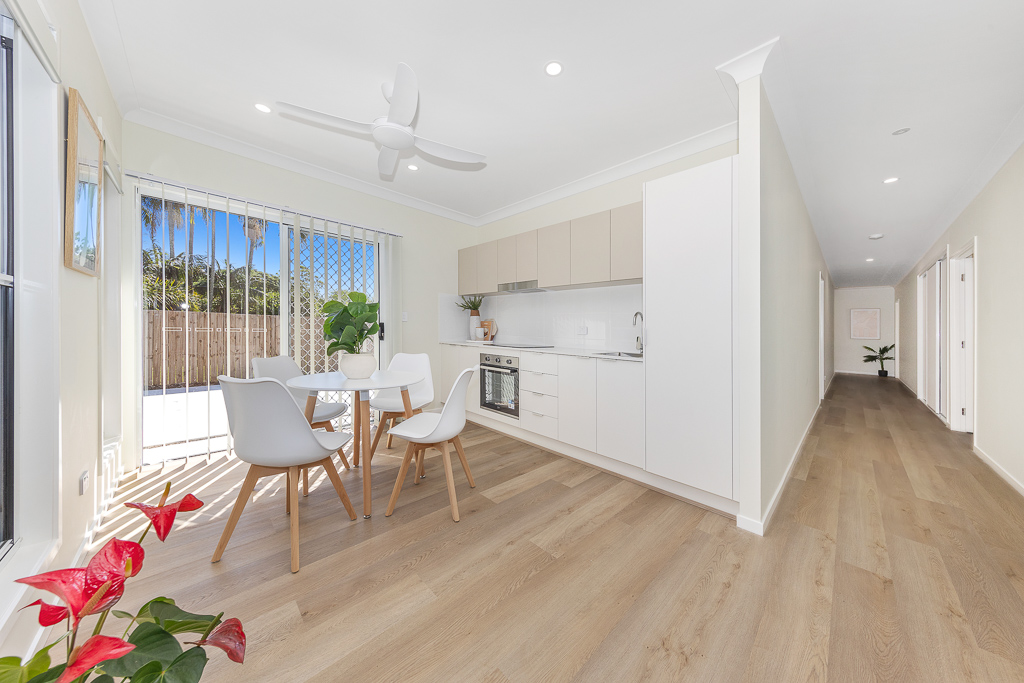
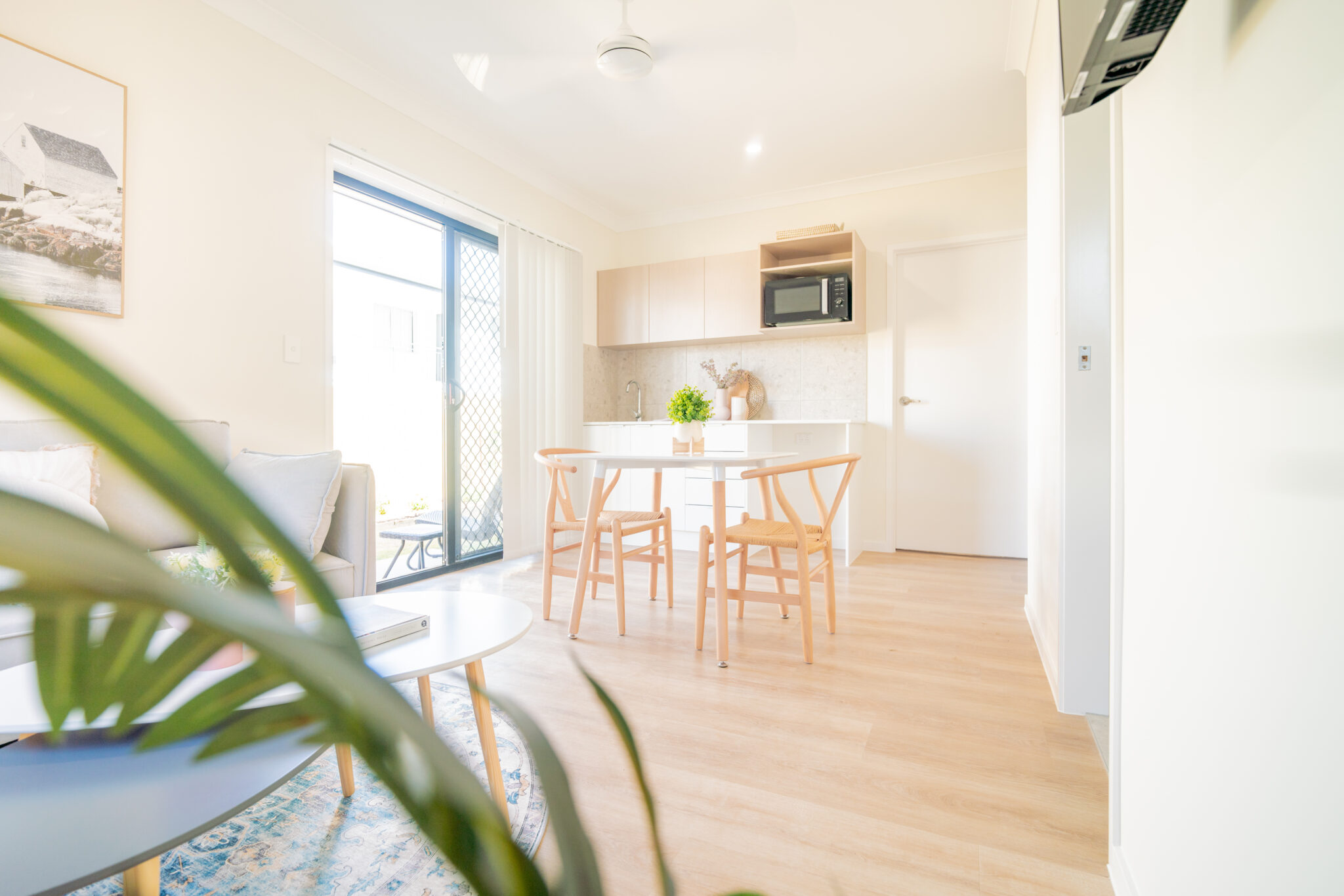
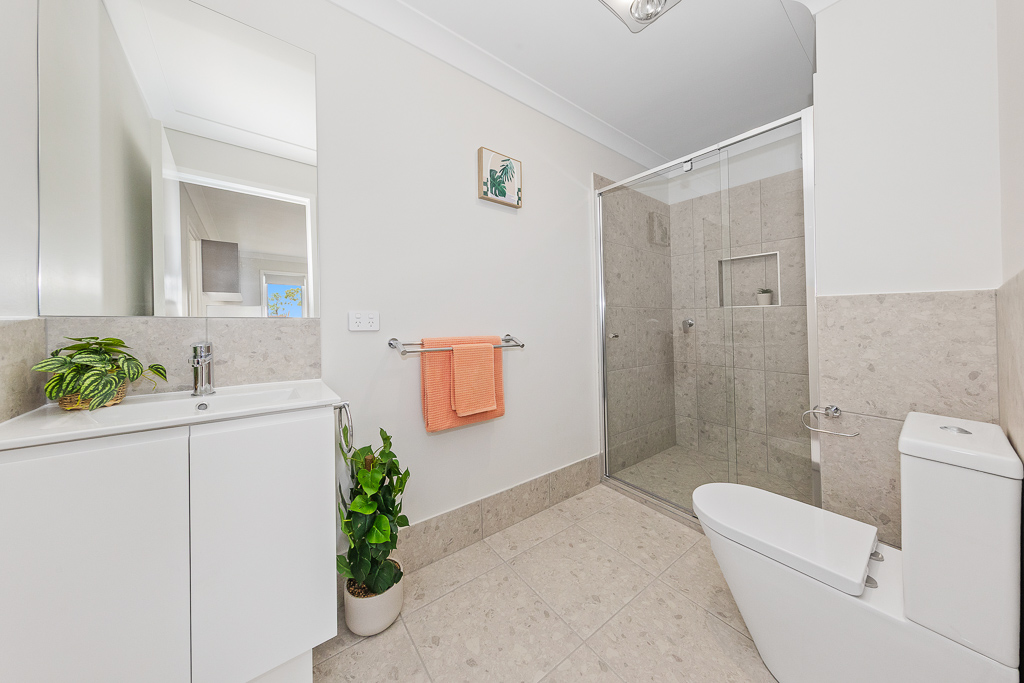
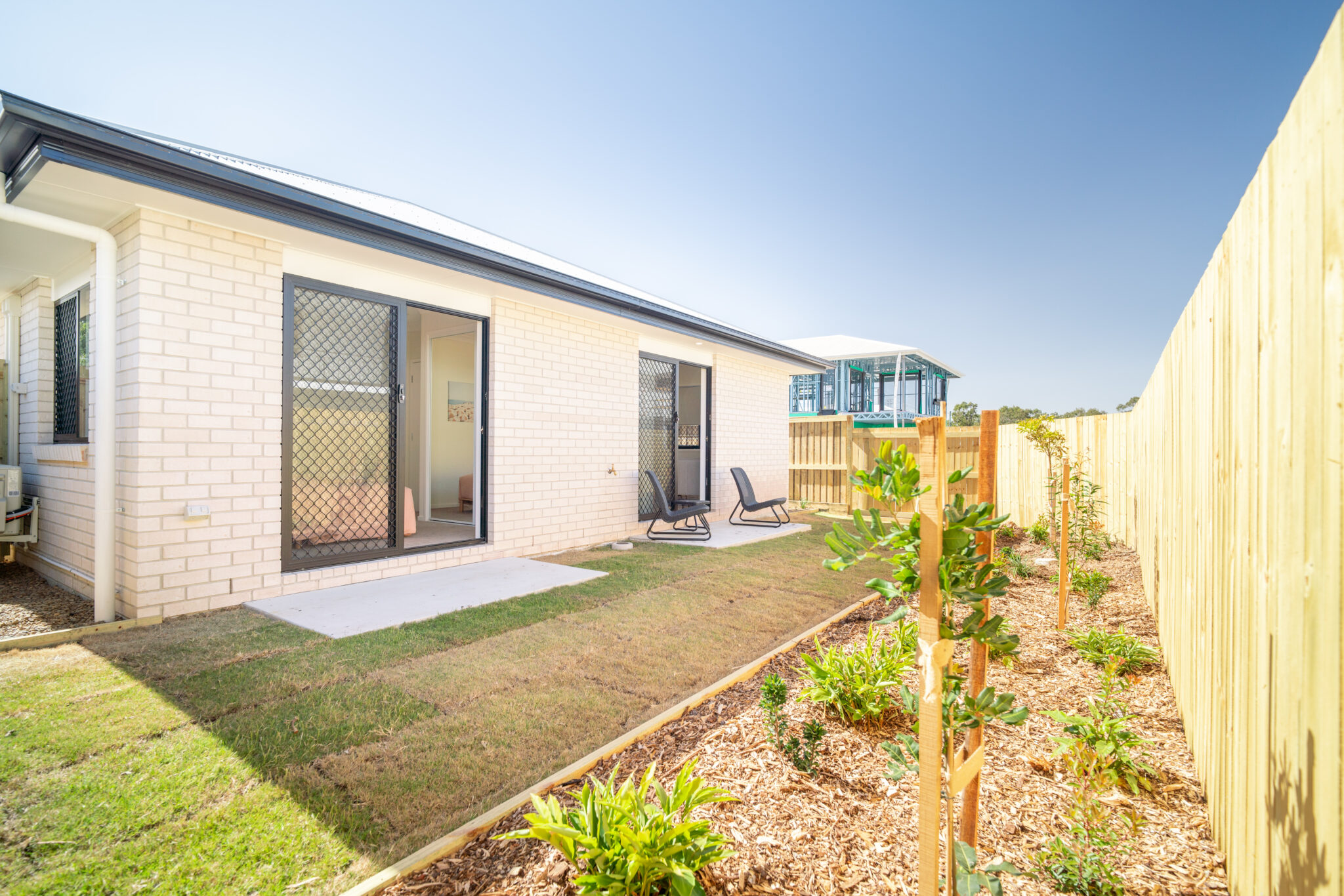
Modern co-living Investments in Australia are designed for high-quality, private living within a shared framework. Modern co-living houses often have private and lockable micro-apartments with lounge, bedrooms, ensuites, and kitchenette. Communal spaces, such as shared full kitchen, laundry area, and lounge areas, are intentionally designed for comfort. Properties are fully furnished, utility bills are included in the weekly rental payment, and professionally managed.
The tenant profile also reflects this shift in the quality of modern co-living dwellings in Australia. Occupants are typically young professionals, healthcare workers, and graduate students. These individuals prioritise location, flexibility, and simplicity over excess space. They are not into co-living to fallback, but to be more efficient.

Cash Flow: The Constraint that Determines Growth
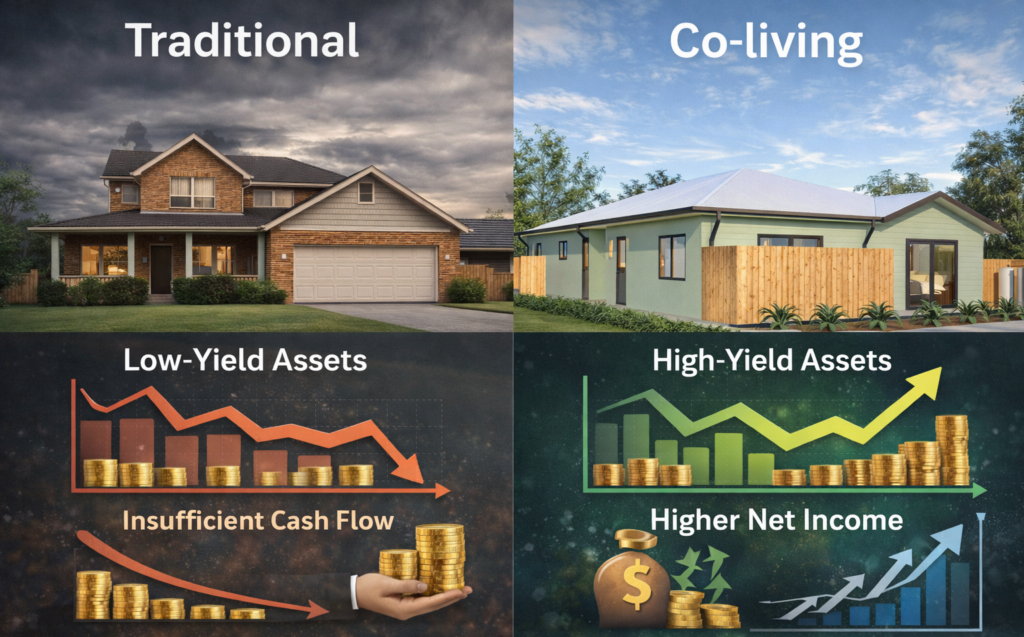
Most portfolios are not efficient because of insufficient cash flow. Low-yield assets limit serviceability. These kinds of portfolio become increasingly reliant on external income. You end up paying for your portfolio and not the other way around. Over time, you create a portfolio that grows in value, but not in function.
Co-living changes that equation. Higher net income improves borrowing capacity, reduces holding pressure, and enables reinvestment at a faster rate, all of which can help you fast-track your portfolio. Co-living properties can give $100K+ per annum per property.
This is how portfolios transition from static to scalable.
Lower Risks and Complexity
The perception that co-living investment properties in Australia carries higher risk is based on outdated market data.
In a traditional property, income is dependent on one tenant. A vacancy results to a loss of rental income. In co-living property investments, income is distributed among multiple tenants. A vacancy reduces income, but does not eliminate it.
This creates a more resilient income profile.
Risks still exist, in terms of legal compliance, financing structures, and build and management quality. However, these are identifiable and manageable variables. With the help of consultants and coordinators specialising in co-living properties, you’ll be able to manage these risks.
Higher-return strategies often require greater time involvement. This is why time-poor investors tend to avoid complex investments.
Many co-living investment properties are now characterised by end-to-end models wherein land acquisition, design, compliance, build, tenant placement, and ongoing operations are done for you by specialists.
This allows time-poor investors to access high-yield assets without the operational burden.
Where the Market Sits Now
Co-living investment properties in Australia is still in its early stages. It remains to be largely misunderstood by majority of the market. Majority of investors are still anchored to outdated assumptions. Meanwhile, a smaller group of informed investors continue captilising this opportunity for a more efficient portfolio. As institutional capital moves in and frameworks standardize, the opportunity will soon become more competitive and returns will compress.
Final Perspective
Co-living investments in Australia are no longer a fringe strategy, but an efficient response to a changing market. The data is clear: higher yields, stronger cash flow, and more predictable equity outcomes. The remaining gap is not performance, but perception. Investors who act on data, rather than outdated assumptions, are able to place themselves earlier in the cycle.
Investors who move now capture both yield and positioning. Those who delay will enter a more competitive, normalised market.
Reposition yourself for higher yield, stronger cash flow, and scalable growth.
Contact us today if you’re looking into co-living investment properties in Australia.