
Rooming Houses Ipswich: Ipswich’s Best Property Investment
Ipswich is emerging as one of Queensland’s most promising frontiers for strategic property investment, especially for high-yield opportunities such as rooming houses. As South-East Queensland braces for rapid population and infrastructure growth, Ipswich’s combination of government-backed development, favorable demographics, significant infrastructure investment, and affordability make it a strong choice for investors seeking sustainable and long-term returns.
To accommodate its remarkable population growth, the Ipswich City Council has been working on the Ipswich City Plan 2025. This plan is designed to ensure that the city’s infrastructure and development can keep up with the city’s growth. This comprehensive planning framework creates favorable conditions for rooming house development to meet the city’s growing housing needs.

Government Support and Streamlined Planning
One of the major objectives of the Ipswich City Plan 2025 is to facilitate different housing options. This means encouraging different housing forms including smaller-scale, higher density dwellings like rooming houses. This is a deliberate move to accommodate the growing and diverse population in the city. For investors, this translates to clearer development pathways, fewer regulatory delays, and increased confidence in long-term value appreciation.
The High Yield Property Club, with the leadership of Natasha Howie, has been actively coordinating with the city council to expand opportunities for compliant high-yield rooming house developments across the region. The Ipswich City Plan 2025 introduces more supportive requirements for rooming house development projects. For rooming house investors, this favorable legal climate provides clear regulatory pathways and predictable approval process.
Another major initiative underpinning Ipswich’s transformation is the Western Growth Corridor Structure Plan, which focuses on the suburbs: Rosewood, Walloon, and Thagoona. Backed by $500,000 in Federal Government funding under the Housing Support Program, this plan provides a sustainable framework integrating residential, commercial, and community infrastructure. Specifically, this plan aims to unlock and fast-track housing supply while providing legal framework for future infrastructure and subdivision developments. This government commitment signals confidence in the city’s long-term economic potential. For investors, it reduces uncertainty and improves feasibility of development projects including that of rooming houses.
Why Rooming Houses Ipswich Fit the City’s Demographic
One of the strongest arguments for rooming house investment in Ipswich lies in its demographic composition. According to the latest census by the Australian Bureau of Statistics (ABS) in 2021, single or lone-person households compose 42% of all households in Ipswich, significantly higher than single-person households in Queensland (24%) and the whole of Australia (25%). This highlights a clear demand for rooming house investments, with Ipswich’s large single-person demographic seeking cost-effective and flexible accommodation options.
The latest census also highlights that 38% of Ipswich’s population are single and that the median age is 35. This population group will grow in the coming years. These figures align closely with the tenant profile of the High Yield Property Club rooming houses, which attract young professionals, single adults aged 20 to 39 years. As Ipswich’s younger, single demographic expands, the demand for quality rooming houses is expected to strengthen further.
Moreover, the Queensland Government Statisticians Office reports 66.7% employment rate in Ipswich. Major industries by employment are healthcare, social assistance and education and training, and manufacturing. Ipswich’s economy supports around 95,000 local jobs. Among the largest employers in Ipswich are JBS Australia in the meat processing sector, Rheinmentall Defence in defence manufacturing, and L’Oréal in retail logistics. Additionally, Boeing in RAAF Base Amberley also provides about 1000 high-skilled aerospace and defence jobs for Ipswich. Again, these figures align closely with the tenant profile of the High Yield Property Club rooming houses in terms of employment. This strong employment landscape implies a stable and growing demand for rooming houses, as working professionals and essential service employees seek affordable, well-located housing options close to their workplaces.

Infrastructure and Connectivity
Accordingly, Ipswich is aggressively expanding its bus and railway systems to boost public transportation and connectivity.
A three-stage bus improvement project, Ipswich and Logan Bus Services Improvement Package, commences in late 2025. This $70 million-worth project will introduce new routes, increase service frequency, and expand coverage to growth areas including Redbank Plains, Augustine Heights, Bellbird Park, Deebing Heights, and Karalee. There will be a new direct route linking Springfield and Ipswich via Redbank Plains. The Ripley Valley Priority Development Area will also benefit from increased connectivity to the Ipswich Hospital and train services. The package will also improve inter-regional connections between key centres in Springfield and Browns Plains. East Ipswich Station and Ipswich Train Station also have many ongoing and completed upgrade projects to improve accessibility, capacity, and reliability of Ipswich’s railway system.
This expanded public transport network will enhance the attractiveness of Ipswich for renters, driving higher demand for rooming houses in well-connected suburbs and supporting long-term investment growth through improved accessibility and tenant retention.
Moreover, the Household Travel Survey data reveals that majority of daily travels to and from outside of Ipswich go to Brisbane. In 2019, the estimated weekday people movements to and from Ipswich and Brisbane is 181,800. This figure will surge to 355,200 by 2046. This increase is driven by Ipswich’s population growth, expanding job opportunities in Brisbane, and improving transport connections between the two cities. For rooming house investments, this means a growing market of commuters seeking affordable accommodation within easy reach of Brisbane. As commuting becomes more convenient, Ipswich is likely to attract more working tenants, boosting occupancy rates and rental returns for rooming house investors.
The Ipswich City Council understands that it cannot always rely on new and upgraded infrastructure to deliver better outcomes in terms of connectivity. It recognises the need to include land use in its strategy too. Hence, the council endorses the iGo Ipswich Transport Strategy 2025 as the blueprint for the development of its transport network. This strategy recommends prioritizing higher-density residential developments in areas surrounding train stations. This policy could provide legal and planning advantages for rooming houses as a high-density accommodation near transport hubs. It will also help in attracting a steady flow of tenants who rely on public transport and prefer well-connected locations.
Affordability and the Numbers
Affordability is one of Ipswich’s strongest advantages. With land prices averaging around $500 per square meter compared to Brisbane’s $1,000, and house values roughly $150,000 to $175,000 lower, Ipswich remains highly accessible even to investors with limited capital. Despite its affordability, rental yields continue to rise annually, with current weekly rents averaging $390 to $400, close to Brisbane’s $410 to $420 per week rent. For investors, this means the opportunity to enter a growing market at a lower cost while still achieving competitive cashflow. As property values and yields continue to strengthen, Ipswich offers strong potential for both immediate cash flow and long-term capital growth.
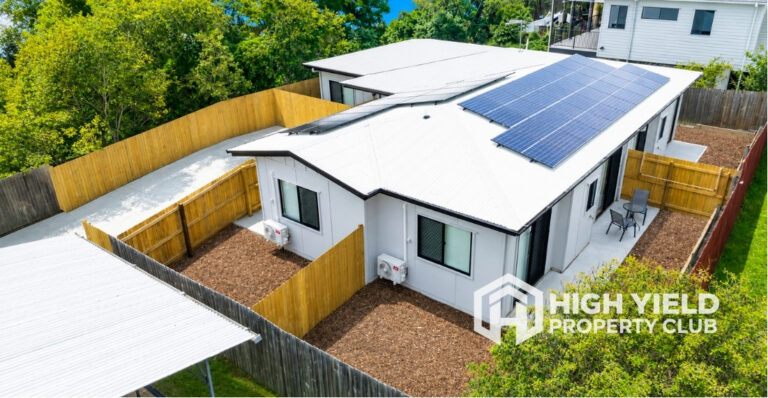
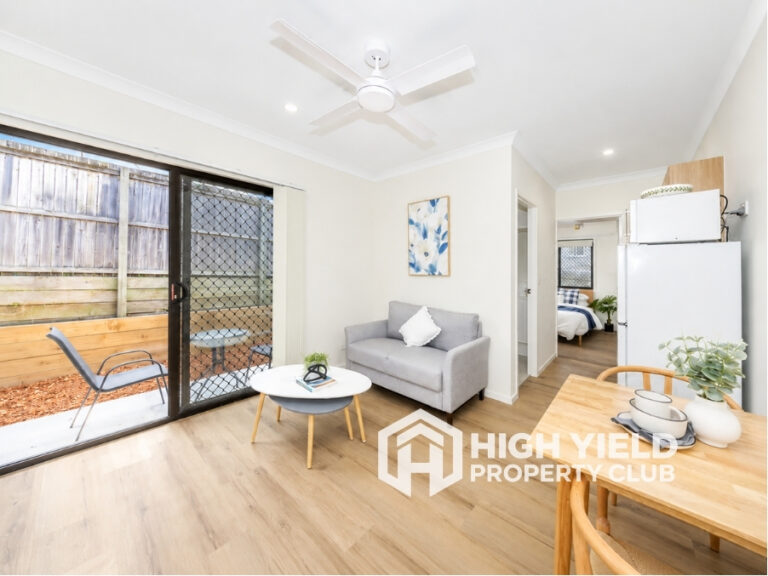
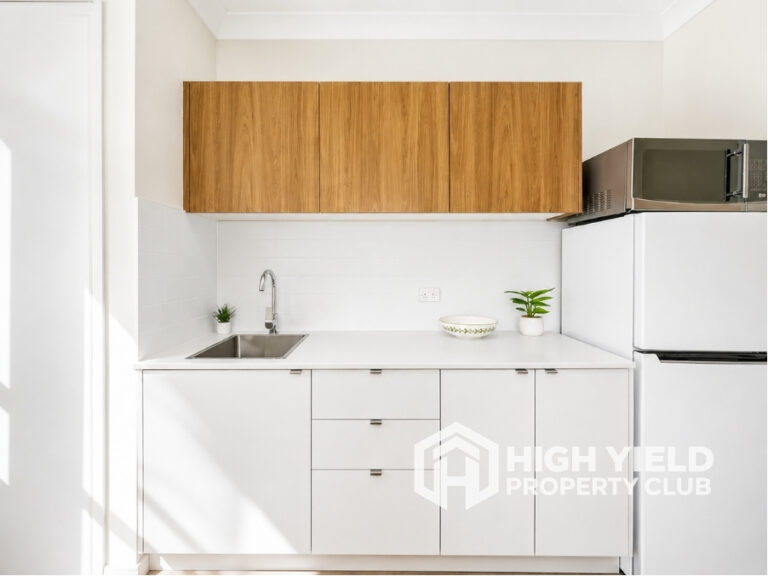
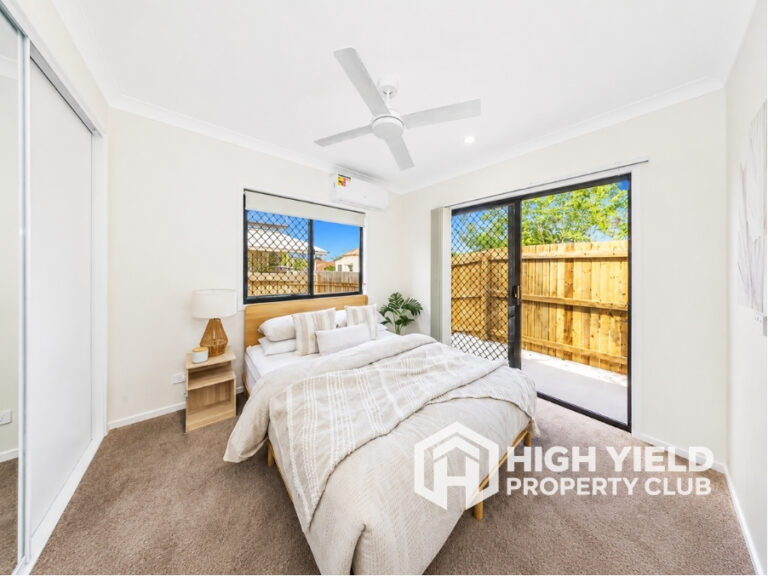
The HYPC also partners with top-tier rooming house builders Ipswich to deliver high-quality, purpose-built rooming houses that meet compliance standards and maximize both tenant appeal and investor returns. The HYPC’s trusted rooming house builders Ipswich ensure every project is completed on time, or even ahead of schedule, while staying within the investor’s budget.
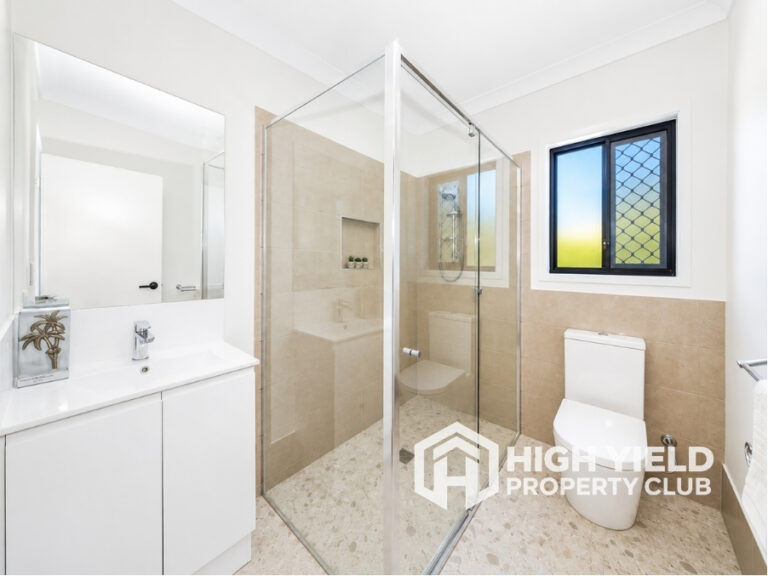
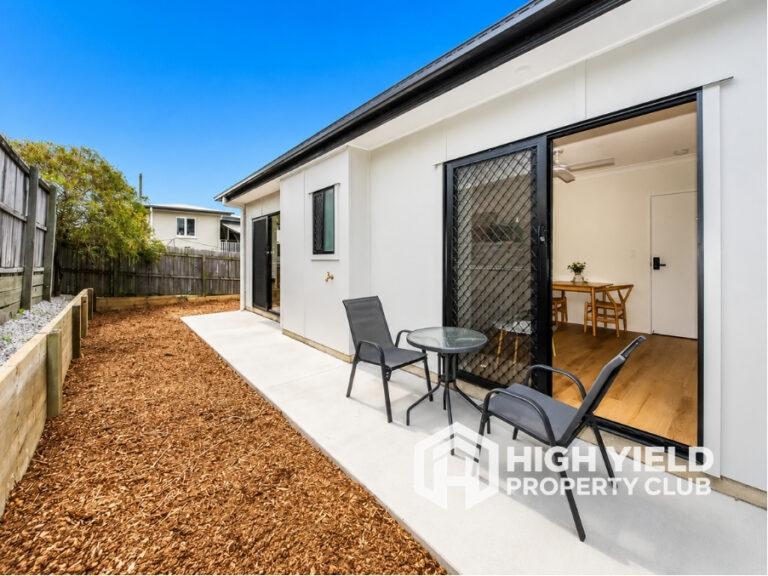
What it Means to Rooming Houses Ipswich Investors
For investors, Ipswich presents a rare balance of affordability, strong yields, and long-term growth security. The city’s expanding infrastructure, commuter connectivity to Brisbane, and council-backed planning initiatives create a supportive legal and economic environment for rooming house developments. With population and employment both on the rise, demand for affordable rental housing will continue to strengthen. These factors make Ipswich not just a low-entry investment option, but a sustainable, high-performing market for years to come.
